

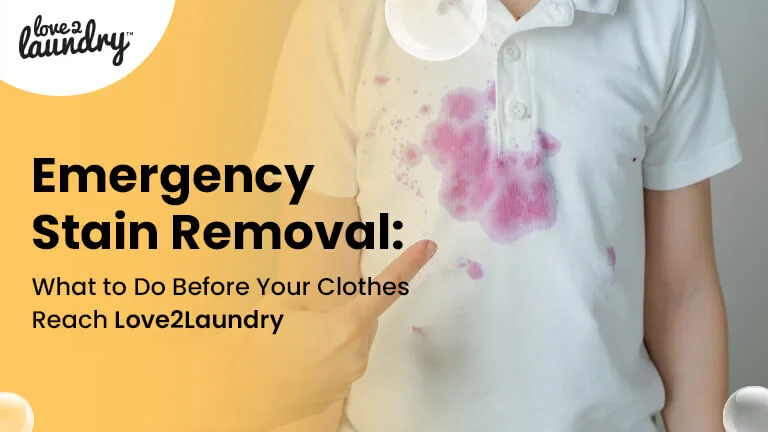
Emergency Stain Removal: What to Do Before Your Clothes Reach Love2Laundry
You are at a high-stakes business meeting when a single drop of dark roast coffee leaps from your cup onto your white shirt. Perhaps it is a glass of red wine at a gala or an ink pen that explodes in your pocket during a busy shift. These moments feel like a disaster.
Your first instinct might be to panic and scrub. However, emergency stain removal depends more on patience than force. Quick action is the difference between a minor mishap and a permanent ruin. This guide serves as your first aid for your garments. It focuses on safe, temporary steps to save your garment.
These are not full cleaning solutions. They are bridge measures to protect your threads until you can get them to Love2Laundry. By following these laundry tips, you can stop the damage from setting deep into the fibres. Keep your cool and follow these steps to keep your wardrobe safe.
What to Do the Moment a Stain Happens
The seconds after a spill are the most critical for emergency stain removal. You must act with purpose without causing more harm. First, take a deep breath to avoid aggressive scrubbing. The goal is to lift the liquid away from the surface before it sinks deep into the fabric structure.
Use the cleanest material available. A white napkin or a paper towel works best to avoid dye transfer. Never use a colored cloth that might bleed onto your garment. Keep the area localised so the spot does not grow.
You are essentially managing the crisis until you can reach professional dry cleaners like Love2Laundry. Gravity can be your friend here. Hold the fabric so the liquid does not run down into unstained areas. This initial response dictates whether the mark will ever truly vanish.
Act Fast, But Stay Gentle
You must blot the area immediately with a light touch. Never rub the spot because friction pushes the pigment deeper into the weave. Grab a clean white cloth or a plain tissue to soak up the excess.
Always work from the outside edges of the spill toward the centre. This technique prevents the liquid from spreading outward into a larger ring. Gentleness is your best tool for emergency stain rescue.
Quickly blotting a spill is the most effective way to begin safe stain removal on clothes without causing permanent fibre damage. This simple step keeps the blemish on the surface so a professional can finish the job easily.
Check the Fabric & Care Label
Look at the tag inside your garment before you apply anything. Delicate fabrics like silk, wool, and linen are prone to moisture damage. You should avoid using water on any item labelled as “dry clean only.”
Moisture can cause water rings or cause fibres to shrink in these high-end pieces. If you feel unsure about the fabric, do less rather than more. Protecting the structural integrity of the piece is more important than a quick fix.
What NOT to Do in a Stain Emergency
Avoid using hot water at all costs during the initial phase. Heat acts as a catalyst, bonding the stain to the fabric permanently. Do not mix different cleaning products, as this can create dangerous fumes or ruin the cloth.
Never apply heat from an iron or a hairdryer to dry the spot quickly. This will bake the proteins or tannins into the shirt. You want to avoid any stain-removal methods that involve high temperatures.
Understanding the proper techniques for stain removal from clothes helps you act with confidence during a messy emergency. By avoiding heat and friction, you ensure your favourite outfits stay in perfect condition for years.
Emergency Stain Solutions by Stain Type
Here are some of the emergency stain removal solutions according to each type:
Coffee & Tea Stains
Blot the spill with a cloth dampened with cold water. Do not soak the entire garment in a basin. Simply use the damp cloth to lift the dark liquid away. Avoid letting sugar or syrup residue spread to clean areas. Coffee contains tannins that set very quickly at high temperatures. Professional treatment is necessary afterwards to remove the invisible sugars that turn yellow over time.
Red Wine Stains
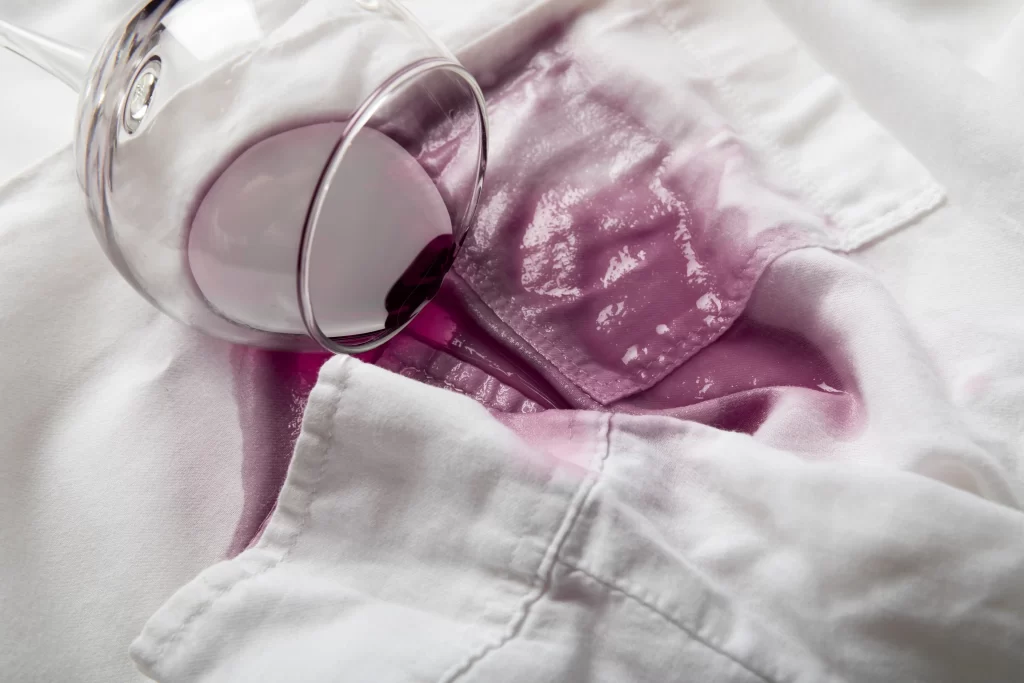
Blot the wine immediately with a dry, white napkin. Use a minimal amount of cold water sparingly to dilute the pigment. You want to keep the fabric slightly damp but not dripping wet. Never scrub the wine into the fibres or apply any heat. High-quality emergency clothes stain removal techniques usually involve specialised pH-neutral solvents that only pros have.
Grease & Oil Stains
Press a paper towel firmly against the oil to blot the excess. Sprinkle a bit of cornstarch or talcum powder onto the spot. This powder acts as a temporary cloth stain remover by absorbing the grease. Let it sit for a few minutes to draw out the oil. Gently shake the powder off before packing the item for professional cleaning.
Ink & Pen Marks
Dab the ink mark very lightly with a clean, dry cloth. You want to avoid spreading the ink across the fabric. Stop the process immediately if you see the colour transferring to your clothes. Ink is tricky because it contains various dyes and alcohols. Amateur attempts often result in a much larger, bluer, or blacker mess.
Makeup & Lipstick Stains
Gently lift any solid residue away with a dull edge. Avoid using makeup wipes or rubbing alcohol, as these contain oils. You can place a tissue between the layers of the garment to stop transfer. Lipstick is a combination of grease and pigment. It requires a professional stain remover for white clothes to fully vanish without leaving a shadow.
Mud & Grass Stains
Let the mud dry completely before you touch it. Brushing off wet mud only smears the dirt deeper into the structure. Once it is dry, brush off the excess dirt with your finger or a soft tool.
Do not add water initially, as this turns the dirt back into a liquid dye. Grass stains are organic and need specific enzymes to break down the chlorophyll.
Fabric-Specific Emergency Care (Very Important)
The type of fabric matters much more than the substance you spilt. A cotton t-shirt is much more resilient than a silk blouse. If you treat a delicate silk item with the same force as you would denim, you will tear its fibres.
Understanding the material helps you choose the right path for emergency stain removal. Synthetic blends can sometimes hide stains, while natural fibres soak them up like a sponge. Always prioritise the fabric’s health over the mark’s disappearance.
Delicate Fabrics (Silk, Wool, Linen)
Do not soak these items in water or use home remedies like vinegar or lemon juice. These acids can degrade the natural proteins in silk and wool. Stick to a very light blot with a dry cloth only. These pieces are expensive and need the care of dry cleaners who understand luxury textiles.
Everyday Fabrics (Cotton, Polyester, Blends)
You can use cold water blotting on these more durable materials. It is generally safe to dab the spot until the colour lightens. However, avoid using harsh household chemicals or bleach on your own. Stop the process once the stain stops lifting. Excessive wetting can lead to mildew if the item sits in a laundry bag for too long.
When to Stop Immediately and Bring Clothes to Love2Laundry
You need to know when a DIY fix is becoming a disaster. If you notice the stain spreading or getting darker, stop all movement. This usually means the liquid is travelling through the fibres. If the garment colour starts bleeding onto your cleaning cloth, you are losing the original dye.
Expensive, designer, or sentimental items should never be a test subject for home fixes. When the label says “Dry Clean Only,” your job ends at the initial blot. Multiple stains on a single piece also require a professional touch to ensure even cleaning.
Stop immediately if any of the following occur:
- The stain expands or moves to the back of the garment.
- The fabric starts to look fuzzy or pilled from dabbing.
- The item is a luxury brand or a family heirloom garment.
- The care label specifically forbids water or agitation.
- You have more than one type of spill on the same item.
Why Emergency Home Fixes Aren’t Enough
While emergency stain rescue helps in the moment, it rarely finishes the job. Invisible residues often remain even if the spot appears gone. These residues can caramelise or oxidise over time, leading to yellow patches. Sometimes, even after emergency stain removal, the stain reappears after the fabric dries completely.
Incorrect home methods can also weaken the fabric or strip the dye. Professional solvents are designed to target specific chemical bonds without hurting the cloth. Experts use controlled techniques that home washing machines simply cannot replicate.
How Love2Laundry Handles Stains Professionally
Love2Laundry uses a systematic approach to save your favourite outfits. The emergency stain removal process begins with professional stain identification to determine the right chemical agent. Each treatment is tailored to the specific fabric type and the garment’s age.
The cleaning happens in a controlled environment with precise temperature and moisture levels. This is the safest way to handle delicate or luxury items. It removes the guesswork and the risk of permanent damage. You get your clothes back in pristine condition without the stress of DIY failures.
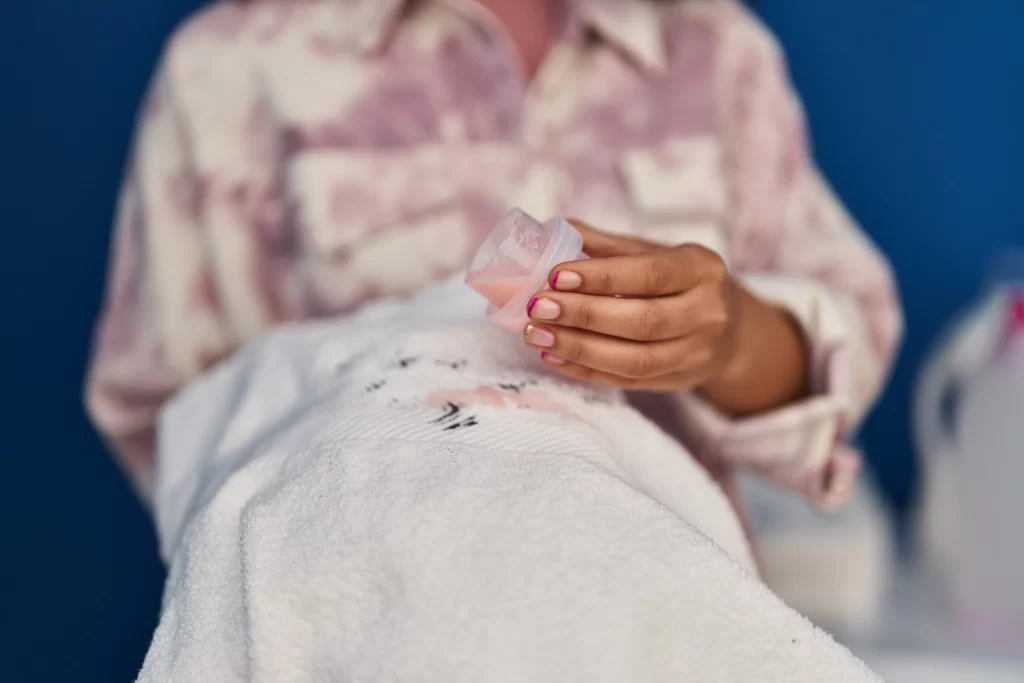
Emergency Stain Checklist Before You Visit Love2Laundry
- Blotted, not rubbed, to protect the fibres.
- No heat applied from irons or dryers.
- No harsh chemicals are used, like bleach or ammonia.
- Garment kept dry or only slightly damp.
- Brought in as soon as possible for the best results.
- The care label was checked before any action was taken.
- No coloured cloths are used for blotting.
- Identify the source of the stain for the pro.
- Avoid using hot or cold water for stains, depending on the fabric.
- Place a barrier between fabric layers.
FAQs – Emergency Stain Removal
How to remove stains immediately?
Blot the liquid with a clean white cloth to absorb excess moisture. Avoid rubbing the spot to prevent the pigment from sinking into the fibres.
What is the fastest emergency stain remover?
A dry white napkin is the quickest way to absorb a fresh spill safely. It serves as a temporary measure until a professional can properly treat the area.
How to remove stains from clothes in 5 minutes?
Use a damp cloth to dab the edges of the spot inward. Stop once the colour stops transferring to the fabric and seek professional help.
Final Thoughts
Accidents are a part of daily life, but they do not have to be the end of your wardrobe. Whether it is a coffee splash or a grease mark, your reaction defines the outcome. Using the proper emergency stain removal steps protects your investment.
You can rest easy knowing that a small mistake is fixable with the right help. If you are unsure about getting stains out of white clothes, it is always better to wait. Trust the experts to handle the heavy lifting while you focus on your day. For a fast and reliable solution, choose laundry with 24-hour delivery to get your items back quickly.