
Stain Removal: 13 Best Ways to Get Stains Out of Whites
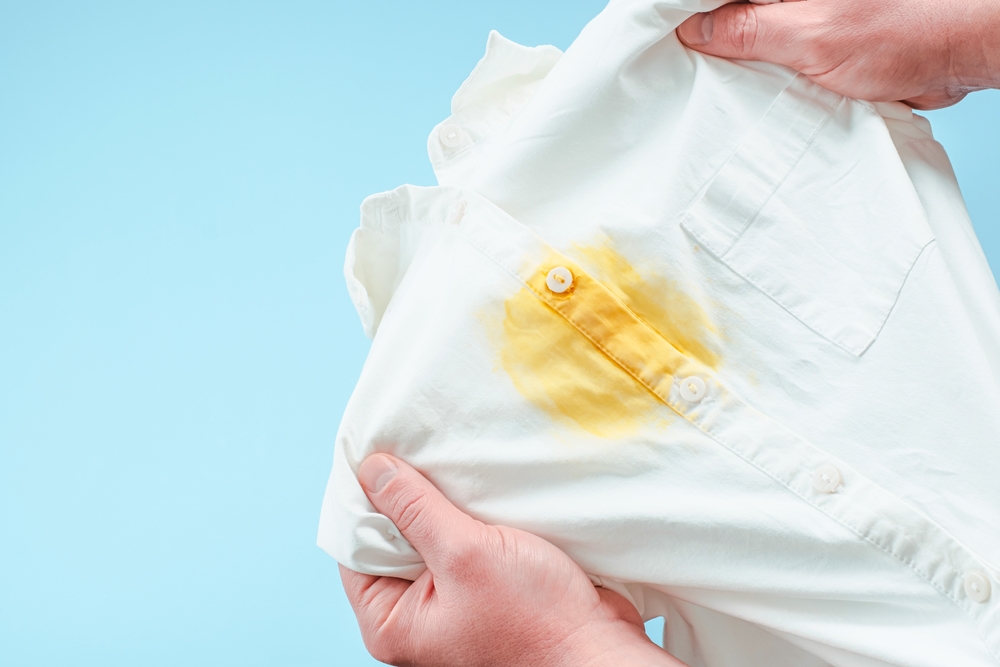
Have you spilt food, a beverage, or makeup on your gleaming white T-shirt, jumper, or trousers? Or maybe your white bed sheets accidentally fell into the mud in your garden as they were hung out to dry. So, you immediately reach for your phone to quickly Google ‘stain removal white’, with panic in your eyes.
Not to worry, we will fill you in on exactly how to get stains out of whites, including the most stubborn marks on your clothing and soft furnishings. Follow our tips below:
Quick Answer: Act on stains as soon as possible. Scrape off any solid residue first, then treat the stain with a method suited to its type. Use bicarbonate of soda for general stains, hydrogen peroxide for blood, and cornstarch for grease. Always wash whites separately from colours after treating.
Act quickly
When wanting to remove stains, you need to act as fast as possible to clean the dirty fabric, as stain removal is easier when addressed as soon as possible; you don’t want any stains to set.
Wash your whites separately from other colours.
Remember to wash your whites separately from items in other colours. It is highly recommended that you wash your whites separately to preserve the colour and avoid colour transfer. This is especially important for getting pink out of white clothes caused by accidental dye transfer from coloured garments.
Scrape any large globs off your whites before washing
Wear disposable gloves to handle your soiled white item, if you prefer. Use a dull knife to scrape off any large textured globs from the stains. Be careful when using a knife for stain removal, as you do not want to damage the material.
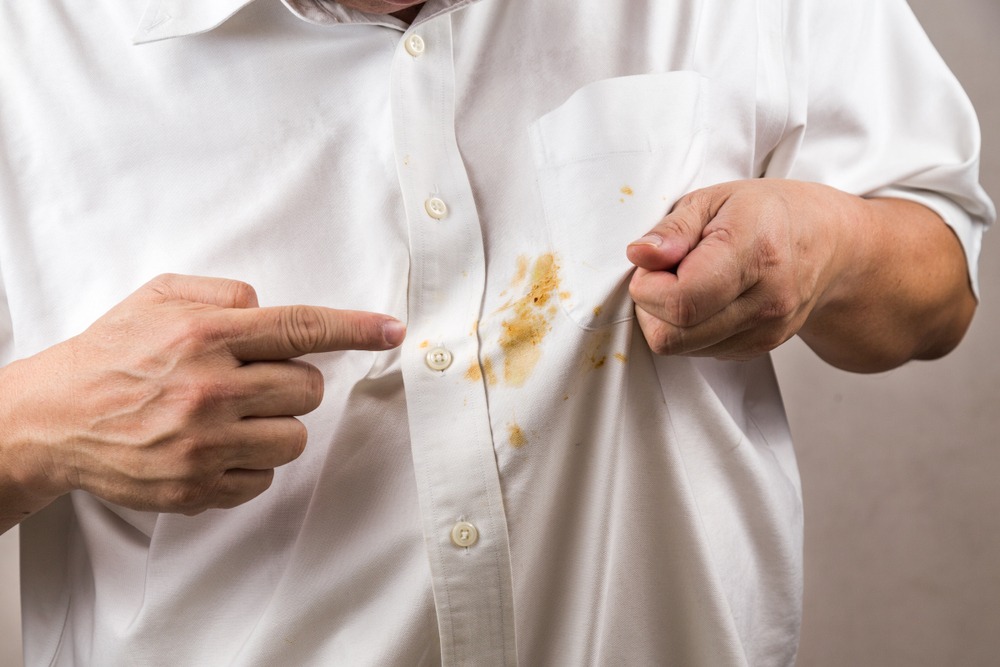
What can I use for stain removal for old whites?
Before you place your whites in the washing machine, it is wise to pre-treat old stains first for more efficient stain removal.
There are many home remedies to choose from that will help with removing old stains from white clothes effectively.
| Stain Type | Best Remedy |
| General / Old Stains | Bicarbonate of soda, distilled white vinegar |
| Blood | Hydrogen peroxide |
| Grease | Cornstarch, talcum powder, WD-40, Coca-Cola |
| Ink | Plain white toothpaste |
| Paint (oil-based) | Turpentine |
| Tough / Set Stains | Laundry detergent, rubbing alcohol |
| Mud / Dirt | Saltwater soak, lemon juice |
Read our tips on stain removal for whites from this handy guide below.
Bicarbonate of soda
Mix 4 tablespoons of bicarbonate of soda with 60ml of water, which will give you a paste. Rub this paste into the stain and leave it to sit for about 3 hours.
Bicarbonate of soda is a natural deodoriser, so it eliminates odours naturally. It is also useful for getting sweat stains out of shirts, as it neutralises the acids in perspiration that cause fabric discolouration. If you sprinkle dry bicarbonate of soda in your laundry basket, gym shoes or boxing gloves, this will absorb any foul smells. You can also clean your microwave by microwaving a container of bicarbonate of soda mixed with 1 cup of water.
Remember that bicarbonate of soda is not the same thing as baking powder.
Lemon juice or lime juice
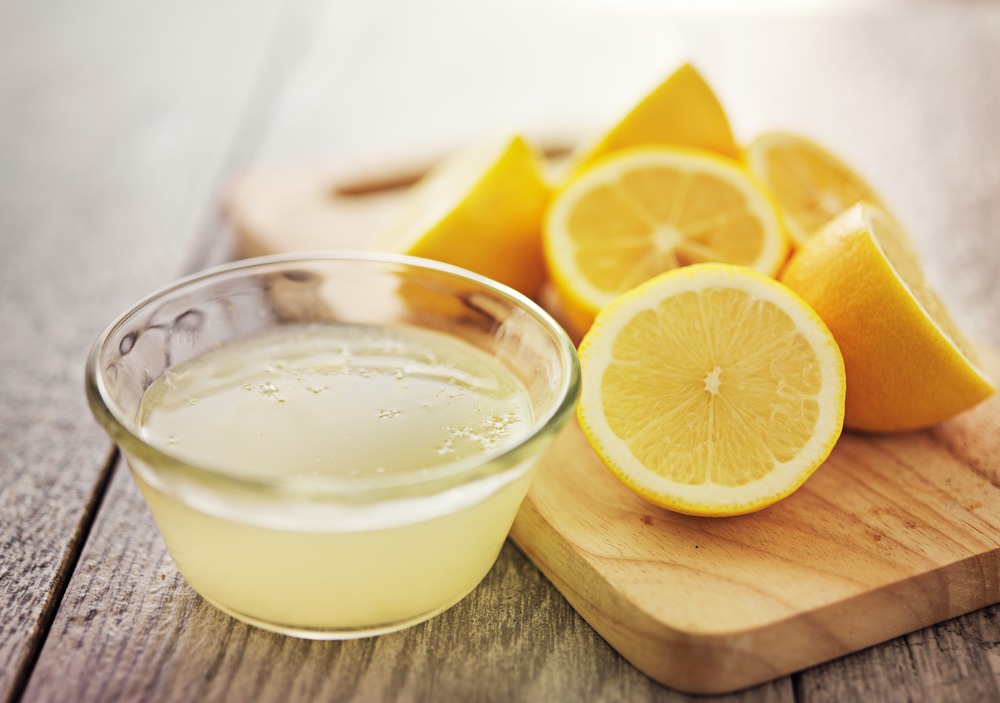
Lemon and limes have a natural whitening action, making them ideal for tough stain removal on your whites, including tackling yellowing on white clothes caused by age or perspiration.
Start by wetting the stain with water, and then squeeze a few drops of lemon juice directly onto the stain. Pour salt over the lemon juice, and rub the fabric together so that the salt helps work the lemon juice into the stain. Then, rinse with water.
You can also use a lemon to make your leather shoes look cleaner and shinier- do this by squeezing a couple of drops of lemon juice onto a soft cloth and gently polishing the leather shoes.
Laundry detergent/washing powder
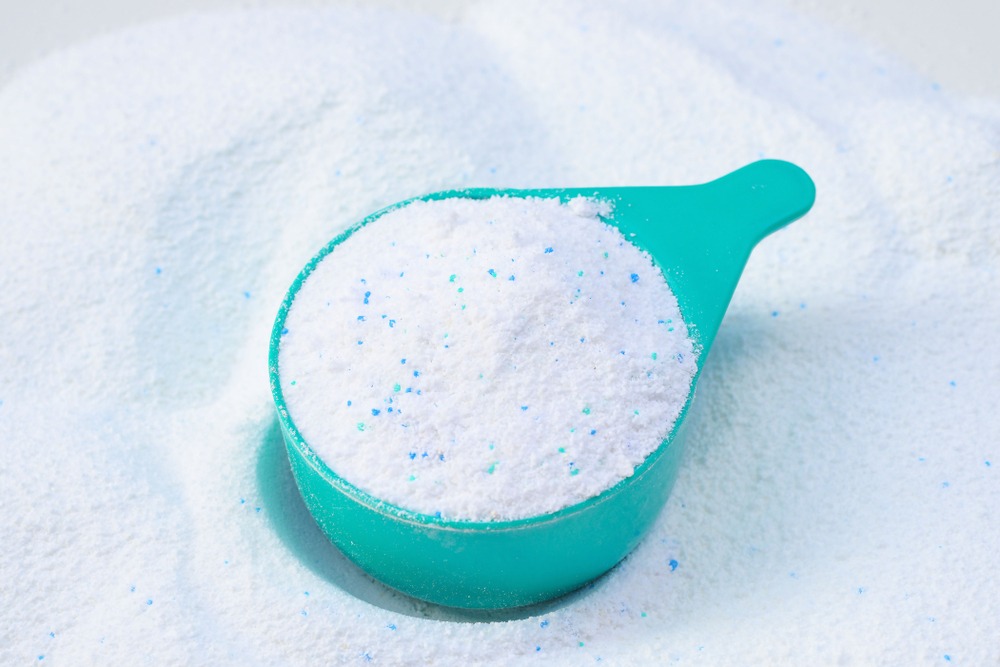
There are plenty of excellent laundry detergents available on the market which act quickly as efficient stain removal options for old stains on whites.
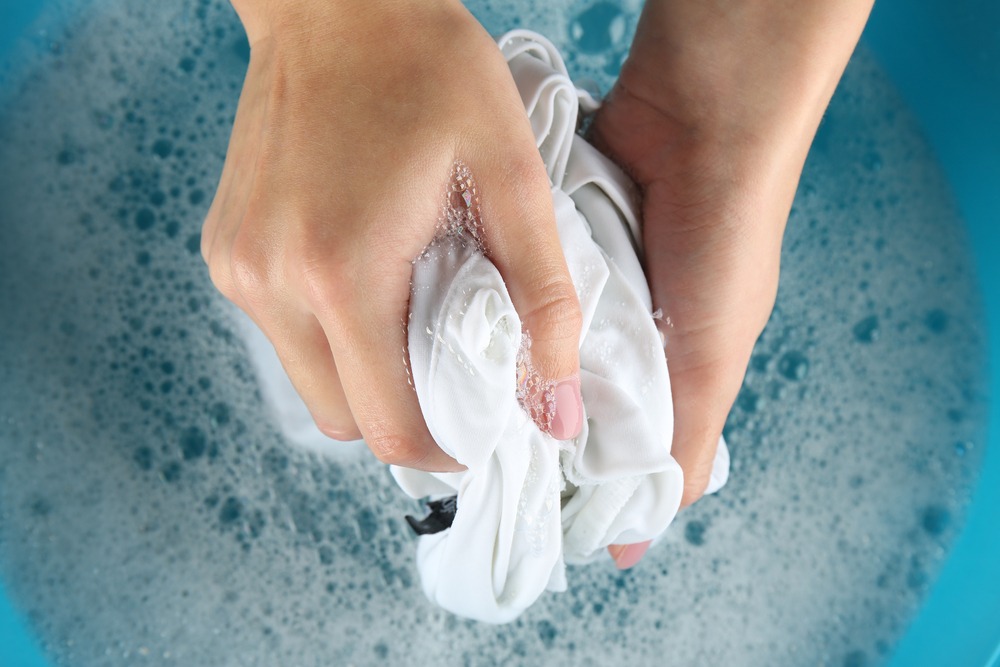
Pour the laundry detergent directly onto the stain and rub the fabric with a soft-bristled toothbrush to help work the detergent into the garment’s fibres in a circular motion. Wring out the excess water and then put it in the washing machine for a regular spin.
You could also soak the white item in a bowl with warm water and a few drops of laundry detergent before you put it in the washing machine.
Distilled white vinegar
A staple ingredient in your kitchen, vinegar is a non-toxic cleaning solution which contains antibacterial properties to kill bacteria and dissolve dirt and grease. Amazingly, vinegar does not contain a colouring agent, so it won’t stain surfaces – making it an excellent option for stain removal.
Always dilute the vinegar first with water before using it to clean your whites in the washing machine. To do this, place half a cup of distilled vinegar in the drum of your washing machine. Then, let your whites wash in a cycle as normal.
Fortunately, this stain removal technique won’t result in a lingering odour of vinegar on your whites after you wash them, so you won’t smell like a chip shop.
Cornstarch
Cornstarch effectively absorbs grease stains from fabrics, leather and suede.
Mix equal parts of cornstarch and warm water in a bowl until it forms a paste. Apply the paste onto the stain on your whites. Let it sit overnight; the following morning, use a dry cloth to wipe away the paste.
Talcum powder
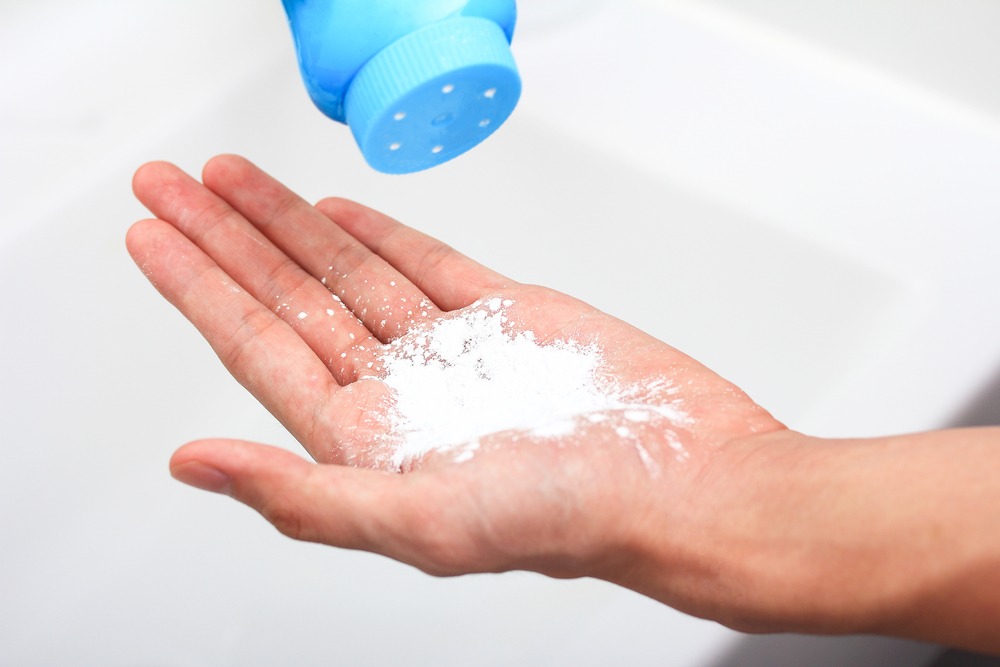
Talcum powder acts as a good stain removal agent, as the product absorbs the moisture found in grease and grime.
Dab the stain with talcum powder and leave for at least 30 minutes, waiting as long as you can until the moisture is absorbed. Shake the powder off and then soak the white garment in warm water.
Hydrogen peroxide
Hydrogen peroxide is a mild antiseptic, which is applied to the skin in the event of minor cuts, scrapes and burns. It is ideal for the stain removal of blood from whites.
A really versatile cleaning product, hydrogen peroxide is also used to disinfect surfaces such as tile, glass and metal. The chemical is also powerful at killing a wide range of bacteria, yeasts, fungi, viruses and mould.
Simply dip a cotton bud in hydrogen peroxide and rub it on the stain. Allow the fabric to soak for at least 10 minutes before washing the garment as normal.
Never pour full-strength hydrogen peroxide directly onto coloured fabrics without conducting a patch test first.
If the instructions on the bottle tell you to dilute the hydrogen peroxide before using it to clean, then you must do so.
Rubbing alcohol
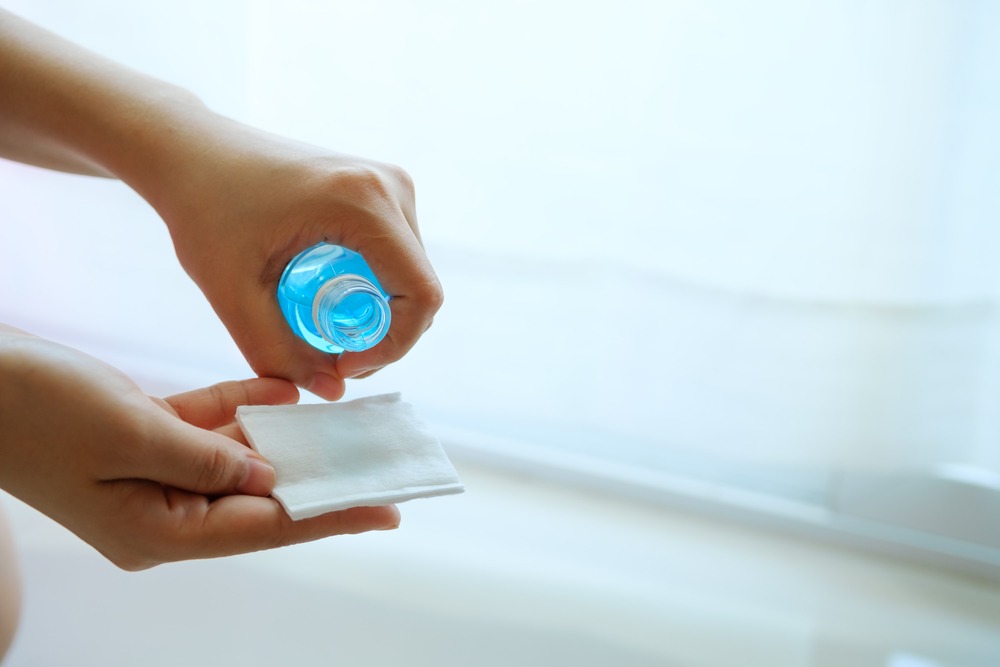
Rubbing alcohol is a powerful cleaning solution which effectively disinfects surfaces and removes stubborn stains. You can use the product to clean sinks, windows, whiteboards, and your mobile phone or iPad.
To remove a stain from your whites, dampen a cotton cloth or cotton ball with a couple of drops of rubbing alcohol. Test a small part of the garment first, and allow the fabric to dry. If you see there is no discolouration, continue rubbing the stain with the cloth or cotton ball. Rinse the garment afterwards.
Saltwater
Salt is a surprisingly good cleansing agent to treat pesky stains on your whites. It can naturally brighten and help restore the vivid colours of your fabrics.
Start off by soaking the whites in cold salt water and let them soak for 3 to 4 hours. Then, apply liquid laundry detergent directly to the stain and rub it in. Wash the garment as normal.
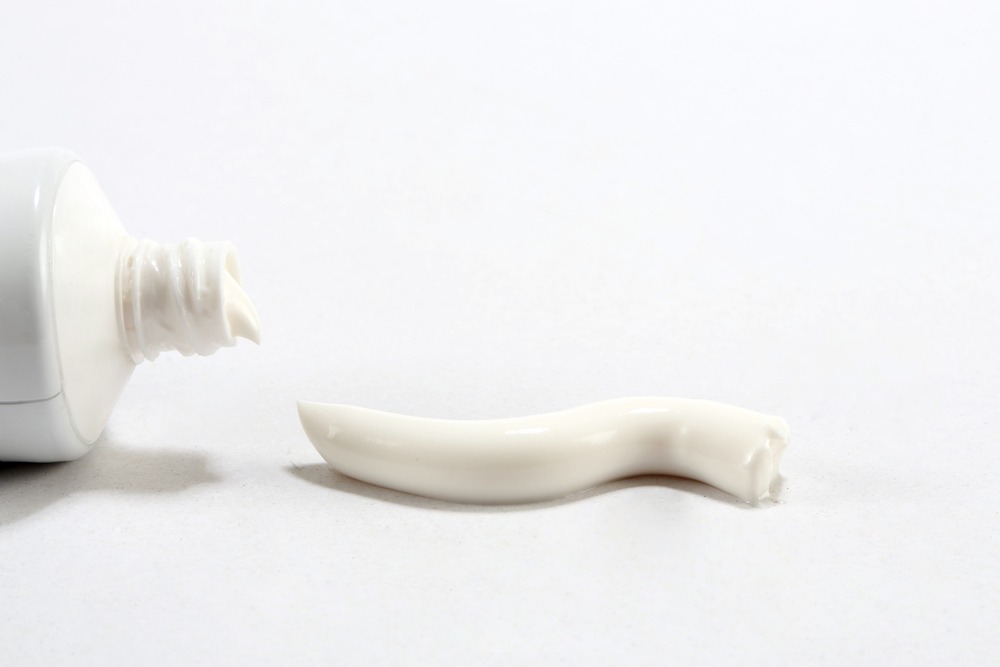
Plain white toothpaste
We all know that toothpaste helps eradicate stains from your teeth for a whiter smile. But did you know that you can use it to treat stains on your white clothing and bed sheets?
This is effective for removing ink stains from white clothing. Apply the plain white toothpaste to the pen mark and rub vigorously to soak up the ink and lift the stain away.
Turpentine
Turpentine effectively removes paint stains from white sheets and white clothing. It works best for oil-based paints.
Begin by scraping off any excess paint from the fabric. Use a clean cloth to apply a small amount of turpentine to the stain. Dab the stain and keep applying turpentine, blotting it to remove the paint. Rinse the fabric and blot it dry.
Please note: Turpentine is flammable, so keep it away from heat sources, open flames, and sparks when using it.
WD-40
WD-40 is a petroleum-based lubricant. It has various uses, including protecting metal from rust, lubricating power tools and cleaning paintbrushes.
To remove stains from your whites, grab a can of WD-40 and apply a small amount to a paper towel. Blot the paper towel onto the fabric to absorb the stain. Then, soak the fabric in a bowl of soapy water for 10 minutes.
Wash the fabric as normal and allow it to dry.
Coca Cola
Did you know that you can use a can of Coca-Cola to remove grease stains from clothing?
Simply open a can of cola and apply it directly to the stain and let it soak for up to 30 minutes. After this, place the garment in the washing machine for a normal cycle.
You can also use Coca-Cola to clean rusted hardware and tools by placing them in a bowl of the fizzy drink overnight. Remember to rinse the tools with warm water afterwards and wipe off any remaining rust with a soft cloth.
What should I NOT do to get old stains out of whites?
- Do not mix together a bunch of different ingredients that are highly acidic. This could create a chemical reaction that won’t actually remove stains, but could damage the whites or be toxic for your skin instead.
- Avoid using bleach to remove stains from whites. The chemicals in bleach are harsh and can damage both the fabric and the skin.
- Do not overload your washing machine with excessive amounts of clothing. Allow your stained white items to wash in their own cycle.
- Do not pour vinegar directly onto your clothing to remove stains; always dilute the vinegar with water first.
- Be careful not to get harsh cleaning solutions (such as hydrogen peroxide or rubbing alcohol) in your eyes, mouth, or on large areas of the skin. Wear disposable gloves to protect your hands if you prefer.
- Take care with flammable cleaning solutions, such as rubbing alcohol. Do not use rubbing alcohol on heat appliances or near heat sources.
- If you are worried that removing stains from your whites could cause colour transfers, conduct a patch test first. This will allow you to see how effective that home remedy is at removing the stain.
Love2Laundry is London’s leading commercial laundry service. We cover London, Manchester, Birmingham, Bolton and Bury. We collect, clean and return laundry at a time and location of your choice.
We provide a full set of bed linen and towels in single, double and king sizes, from £10.00 + VAT per set.
Also, we provide a one-stop shop for Airbnb cleaning solutions, taking care of pillowcases, duvet covers, hand towels, bath towels and bed sheets, plus anything else in between.
We also have hotel-grade toiletries for all the essentials that your guests need, from shampoo and shower gel to conditioner and soap, starting from £2.00 + VAT per set.
Additionally, we offer extra home essentials including bath mats, kitchen cloths, and toilet paper, from £1.00 + VAT per set.
A verified customer recently reviewed Love2Laundry with the following feedback: “The online booking system was very straightforward to use. It worked really well and ran to schedule. We’re also really pleased with the communication updates and the service quality. Thank you Love2Laundry!”
We hope you now have the answers to any questions about removing stains from old whites, especially if you find yourself frantically Googling ‘stain removal white’. We have all been there!
Find out more about Love2Laundry’s dry cleaning and laundry services by visiting our website here.
Download our app on the Apple App Store here or on Google Play here.
Read more articles on our blog here.
FAQs
Does the best home remedy for white clothes depend on the type of stain?
Yes. The right remedy varies by stain type. Use bicarbonate of soda for general stains, hydrogen peroxide for blood, and cornstarch for grease. Check the quick-reference table above to match your stain to the most effective treatment.
Is bleach safe to use for removing stains from white clothes?
No. Bleach should be avoided for stain removal on whites. The harsh chemicals can damage the fabric and irritate the skin. Opt for gentler alternatives such as bicarbonate of soda, distilled white vinegar, or a suitable laundry detergent instead.
Should old, set-in stains on white clothes be pre-treated before washing?
Yes. Pre-treating old stains before placing whites in the washing machine improves results significantly. Apply your chosen remedy directly to the stain and allow it to sit before running a normal wash cycle for more effective removal.
Is it safe to mix different stain-removal ingredients?
No. Mixing highly acidic stain-removal ingredients can trigger a chemical reaction. Rather than lifting the stain, this can damage the fabric or create a solution that is harmful to your skin. Always use one remedy at a time.

