

Flannel Shirt Shrunk in the Wash? Love2Laundry’s Expert Fixes You Can Trust
Flannel outfits are delicate with unique colours and textures that make people look attractive and present a decent appearance. But when it comes to washing them, there might be some hurdles, as the process requires a delicate technique. Moreover, time limitations could play a factor. If that’s the case, you can contact a professional like Love2Laundry to prevent your flannel shirt shrunk.
Our team has years of experience when it comes to the cleaning of delicate fabrics. We even restore shrunken flannel with sustainable techniques to keep the fabric durable with no stiffness.
So, if you want more laundry tips for flannel shirts, our blog will help you find some effective ones.
Why Flannel Shirts Shrink: The Science Behind the Fabric
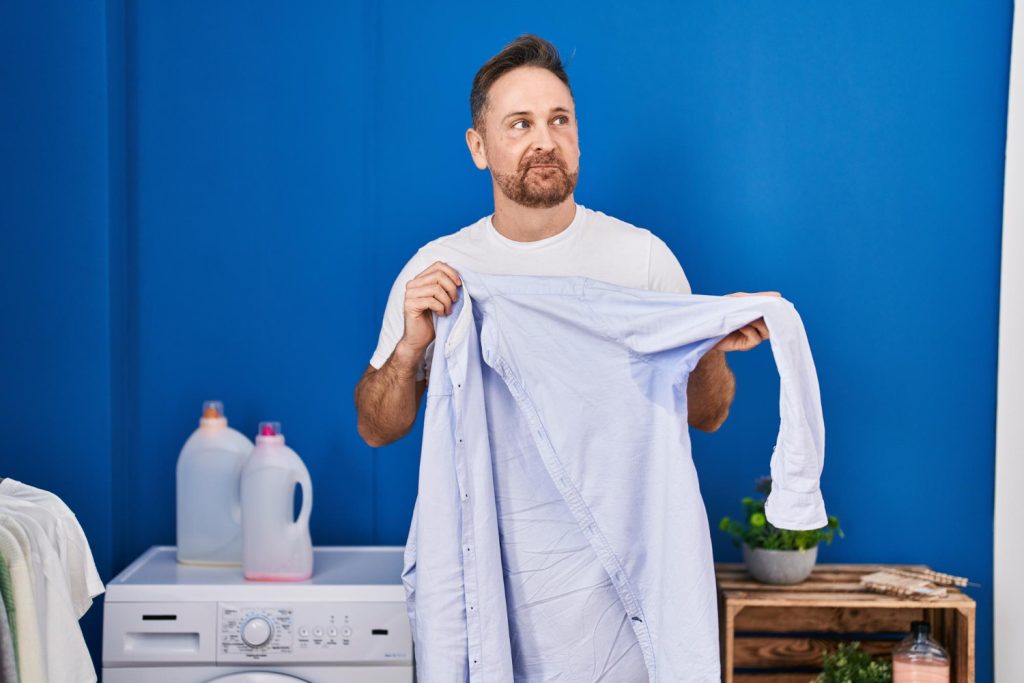
Flannel shrinks when fibres react to heat, moisture, and movement. The very soft, brushed texture that gives flannel its feel also makes the fibres more likely to tighten when it comes into contact with warm water, intense dryer heat, or vigorous agitation. As fibres shrink, the entire fabric draws in on itself, making the shirt suddenly feel a size smaller.
The Fibre Story
The origins of flannel fabrics show that different types behave differently when washed with the same detergent. So, here’s an explanation that’ll help you understand the science behind flannel fabric.
Cotton Flannel
Most flannels are made from cotton, a natural fibre that is hollow, soft, and flexible. Thus, during hot-water soaking, the fibres swell, and upon drying, they shrink, leading to the characteristic shrinkage of cotton. Cotton also has a pronounced reaction to shaking, which tightens the weave.
Wool Flannel
Wool fibres are different. Every strand consists of tiny scales that lock together when heated, moistened, and moved through a natural phenomenon called felting. If handled roughly, wool can shrink dramatically.
Synthetic Flannel (polyester blends)
Synthetic fibres, such as polyester, are heat-set during manufacture, which means they retain their shape better and shrink much less. They are still susceptible to shrinkage, however, if washed or dried at really high temperatures.
Seasonal Effects on Flannel
In particular, the phenomenon occurs during fall and winter, when people tend to wash their clothes with much cooler water. Thus, with colder weather, warmer washes, and increased dry cycles, and with relatively frequent laundering of heavy layers, shrinkage is likely to occur. Every shirt’s response depends on:
Fibre types: cotton and wool fibres shrink more than synthetic ones.
Weave tightness: loose weaves are more likely to tighten when exposed to heat and movement.
Water temperature: warmer water increases fibre swelling and contraction.
Agitation level: Heavy or prolonged wash cycles cause friction that tightens fibres.
Common Mistakes That Lead to Shrinking
One needs to understand what causes a piece of fabric to shrink so they can avoid it. Much of the damage to flannel comes from daily laundry habits that were very easily modified. Below are some mistakes people often make when washing flannel outfits.
Hot Water & High Heat Drying
By making fibres swell and forcing them into quick contraction, hot water and high dryer heat shrink flannel into its shortest shape. Just a hot wash or an overheated dryer session can cause flannel shirt laundry mishaps. So, make sure to avoid hot water.
Ignoring Care Labels
Care labels give exact instructions based on fabric composition and weave type. Skipping them often means using temperatures or cycles the fabric wasn’t designed to handle, leading to avoidable shrinkage.
Using Strong Detergents or Fabric Softeners
Harsh detergents can strip natural oils from cotton and wool fibres, leaving them brittle and prone to tightening. Softening agents can also coat fibres, diminishing flexibility and promoting greater shrinkage under heat.
Overloading the Washing Machine
Filling the washer causes friction from tight rubbing during agitation. Agitation, in turn, stretches and contracts fibres in unpredictable ways, a common cause of the flannel shirt shrunk.
Preventing Flannel Shrinkage: Love2Laundry’s Expert Tips
To keep flannel shirts soft, warm, and genuine to their sizes, it’s all about the proper care. Hence, experts from Love2Laundry suggest gentle handling, low temperatures, and innovative washing practices to protect the fabric’s fibres and retain its cosy texture. Here are some preventive measures offered by our expert laundry in London to keep shrinkage in check every time you wash.
1. Always Check the Care Label
Look for signs indicating the water temperature, whether the garment should be hand-washed, and whether it can be dried in the dryer. There’s no way “wash cold,” “dry flat,” or “do not tumble dry” will be generic; they’re all precise to that fabric. Always check the flannel shirt care guide to prevent the risk of damage.
2. Use Lukewarm or Cold Water
Flannel can be adequately cleaned with cold water; around 20-25 °C is the safest choice for flannel washing. This temperature range allows for effective cleaning without fibre swelling, which can cause shrinkage when the fibres contract. Make sure to check the water temperature to avoid shrinking flannel shirts.
3. Gentle Detergents Only
Use a mild, wool-safe, or gentle detergent that protects fibres rather than strips them to avoid the flannel shirt shrinking problem. Avoid heavy-duty formulas unless really necessary. The reason is that these outfits are manufactured from delicate fibres, and there’s a risk of shrinking and fading if you don’t pay close attention. So, always opt for chemical-free detergents when washing flannel fabric.
4. Avoid High Heat Drying
Dry in low heat, air-fluff, or, best of all, hang your flannel to air-dry. Slow, gentle drying prevents fibre contraction and stiffness. This way, you won’t feel uncomfortable when wearing flannel shirts in a meeting or a crucial event. The vibrant colours and soft structure will enhance your appearance.
5. Wash Similar Fabrics Together
Wash flannel with other soft, lightweight fabrics. When mixed with heavier pieces, they tend to rub, increasing friction and roughening and shrinking the material.
6. Store Flannel Properly
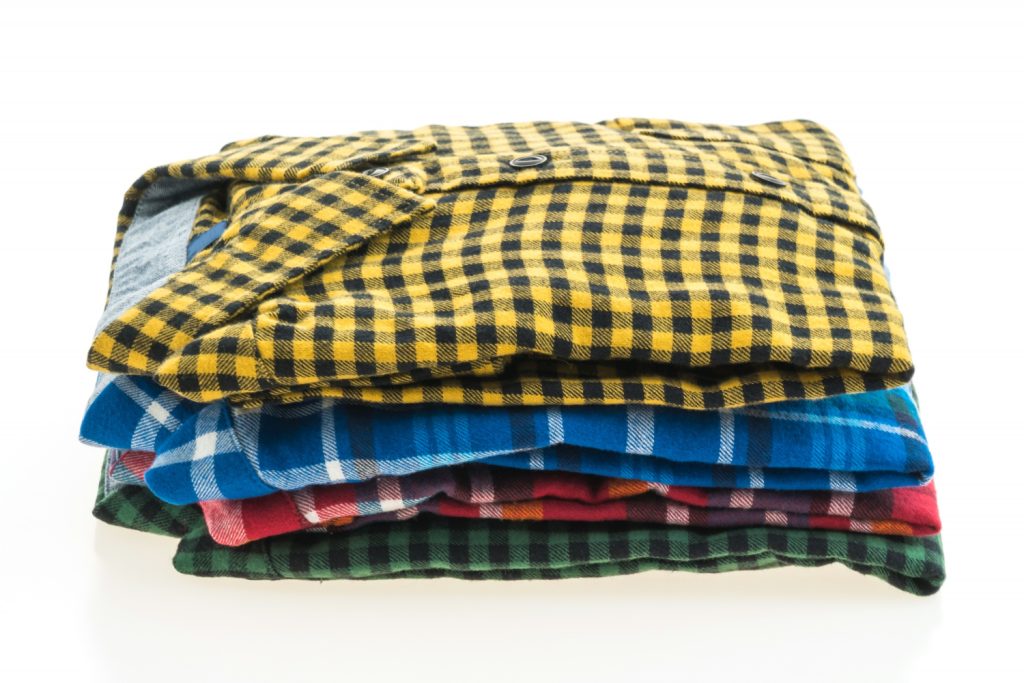
To avoid flannel shirts shrinking, fold them neatly, then store them with other clothes in a cool, dry wardrobe. If hanging, use broad, smooth hangers that won’t distort the shoulders or stress the fibres.
Also Read – Want to prevent clothes from shrinking in the wash? Our blog, featuring expert laundry solutions, will guide you.
How to Fix a Shrunken Flannel Shirt at Home
In most cases, your favourite flannel shirt shrinks because its fibres tighten from heat and agitation. But the good news is that you can often reverse some of that shrinkage at home. With the proper soaking and stretching techniques, you can relax those fibres gently and bring your shirt back toward the fit it originally had. Below are simple, safe, and practical DIY methods to add length and width without damaging the fabric.
Conditioner Soak Technique
Get a bucket and fill it with cold or lukewarm water, but never hot, which shrinks the shirt more. Add 1-2 tablespoons of hair conditioner or baby shampoo and work it into the water. Immerse the flannel shirt completely in this water and soak it in for 15-20 minutes. The conditioner helps soften and relax the fibres, allowing remoulding. Afterwards, just squeeze to remove excess water and do not wring.
Vinegar & Water Relaxation Bath
Start by mixing 1 part white vinegar with three parts water in a cool or lukewarm basin for soaking the shirt. Just like vinegar softens, it will undo any minor shrinkage. After washing it in the mixture for 10-15 minutes, remove it from the solution and gently press to wring out excess moisture. Lay the fabric on a flat surface and start pulling it outwards in small increments.
Steam and Stretch
Steam and stretch is considered one of the best remedies after flannel shirt laundry mishaps, because if there is slight shrinkage, steam can slightly relax the fibres, allowing them to be reshaped. Hang the shirt in the thick hanger and use a handheld steamer or the steam setting on your iron (without letting the hot plate touch the fabric). While warming and loosening, apply downward and outward tensions on the shirt as the fabric warms and loosens.
With an iron, hold it a few centimetres above the fabric, but let the steam penetrate. Continue stretching while the fabric is warm, before letting it cool thoroughly before wearing.
Common DIY Mistakes to Avoid
Avoid washing in hot water or drying in scorching temperatures, as these will only shrink the flannels further. Don’t wring or twist the shirt, as these actions can distort the weave. Avoid strong chemicals, such as bleach or strong detergents, which could harm rather than relax the fibres and cause the flannel shirt shrunk.
Don’t do aggressive pulling, as it can sometimes stretch beyond the breaking point. Gentle and gradual methods yield the best results.
Also Read – Are you looking to prevent the shirking of the dry-cleaned shirts? Check out our blog for details.
Love2Laundry’s Professional Restoration
If you’re in a situation where your flannel shirt shrinks after every wash, it’s a sign you should look for a professional, and Love2Laundry should be your go-to destination. We wash flannel shirts and jeans properly without shrinking and deliver our customers a spotless laundry.
We even offer cost-effective laundry prices through multiple plans. This way, our customers can choose a suitable plan to restore shrunken flannel.
FAQs – Flannel Shirt Shrunk & Flannel Care
How to unshrink a flannel shirt?
If you want to unshrink the flannel shirt, soak it in lukewarm water and a hair conditioner. Now, leave your clothes in the solution for 15 to 20 minutes, then stretch the shirt back to its original size while the fabric is still damp. Lay your fabric flat on a towel to dry and stretch if needed.
How to make flannel soft again?
When the flannel fabric gets hard, wash it in cold water and a gentle laundry detergent. Add a cup of white vinegar during the rinse cycle to restore the fabric’s natural softness.
Should you use fabric softener on flannel shirts?
It’s better to avoid using fabric softener on flannel, as it can coat the fibres, making the fabric stiff and hard to clean. Instead, you can use white vinegar as a natural softener on flannel shirts.
Don’t Let a Laundry Slip Ruin Your Favourite Flannel
Now that you know how to prevent the flannel shirt shrunk, there won’t be hurdles and delays in your washing procedure. Checking the care label instructions and gathering the supplies will reduce the risk of damage and help address the stains properly.
Moreover, you can restore shrunken flannel by soaking it in a solution of lukewarm water and a hair conditioner. This way, you can wash dress shirts without hesitation and risk of shrinking fabric.