


Drying Clothes Indoors in Winter: Does It Cause Damp and Mould?
Drying clothes indoors in winter is not always bad for your home. Wet clothes release water into the air as they dry. If this damp air cannot escape, water can collect on cold windows and walls. This is called condensation. If these areas stay wet, mould can grow.
This mostly happens when the rain lasts for days, and your clothes pile up and the drying rack takes over the living room. You hang another load, only to find water running down the windows the next morning. Now you’re worried that drying your washing indoors might be making your home damp.
The good news is that you don’t always need a tumble dryer. A few changes can help you manage the extra water in your home. This guide explains why damp develops, what warning signs to look for and when another way of drying your laundry may be better.
Is Drying Clothes Indoors in Winter Bad for Your Home?
No, not always. Drying one small load in a room with good airflow is different from hanging several wet loads in a cold room with little fresh air.
The UK government explains that everyday activities, including drying clothes, release moisture into the air. If this moisture cannot escape, it can collect on cold windows and walls. This is called condensation. If these areas stay damp, mould can grow.

Why should you take damp and mould seriously?
Damp is not just a problem for your home. GOV.UK warns that dampness and mould can also harm your health, even when you cannot see mould growing. They can affect your lungs and airways, causing problems such as coughing, wheezing and shortness of breath. People with asthma, young children and older adults may face greater risks.
This does not mean that one load of washing will make you ill. The concern is moisture that keeps building up and leaves your home damp over time. A leaking pipe, a roof leak or poor airflow can also lead to damp. If the problem keeps coming back, you need to check for other causes too.
In Short
- Drying clothes indoors adds water to the air, but it does not always cause mould.
- Cold windows and poor airflow can make damp problems worse.
- If your windows stay wet, your room smells musty or you spot mould, take a closer look at the problem.
Does drying clothes indoors increase humidity?
Yes. Every wet load releases water into the air as it dries. Your washing might stop dripping, but the water it holds still has to go somewhere.
Manchester City Council estimates that drying clothes indoors can add around 10 to 15 litres of water to your home each week. The exact amount depends on how much washing you do and how often you dry it indoors.
Here is how the problem builds up:
- Wet clothes release water: As your washing dries, water turns into vapour and mixes with the air.
- Moisture builds up: Showers, cooking and other daily activities also add water to the air. Without enough ventilation, the extra moisture can stay inside your home.
- Condensation starts to form: When damp air meets cold windows or walls, it cools and turns into water droplets.
- Mould can grow: If these areas stay damp, mould may begin to develop.
This is why drying washing indoors in winter needs more care, especially in a home that already has condensation. The goal is not to stop drying clothes indoors completely. It is to stop moisture from building up faster than your home can remove it.
How Can You Tell If Indoor Drying Is Adding to a Damp Problem?
Look for changes in your home when you dry your laundry indoors. A few signs can help you spot excess moisture before the problem gets worse.
- Wet windows: Water keeps collecting on your windows, especially on days when you dry clothes indoors.
- Musty smells: Your room, wardrobe or clothes smell damp, even after the washing has dried.
- Mould spots: Dark patches appear around window frames, in room corners or behind wardrobes.
- Damp walls or peeling wallpaper: You notice wet marks, stains or wallpaper starting to come away from the wall.
Pay attention to when these signs appear. If your windows become wetter or musty smells grow stronger when you put up the drying rack, your laundry may be adding to the moisture in your home.
That said, these signs do not always mean your laundry is the only cause. Damp can also come from leaks, poor airflow or cold walls. Recognising the signs is the first step. Next, let’s look at which indoor drying methods can help you manage moisture without making winter laundry harder.
Which Indoor Drying Methods Help Manage Moisture?
Not every drying method handles moisture in the same way when you are drying laundry indoors in winter. The best option is usually the one that dries your clothes well without leaving too much water hanging around in the room.
The table below keeps things simple. It shows which methods help manage moisture better, how fast they dry, and what you need to watch out for.
| Method | Drying speed | Moisture control | Best for | Watch out for |
| Standard airer | Slow to medium | Low | Small loads and quick everyday washing | Clothes may stay damp longer if the room is closed up |
| Heated airer | Medium to fast | Medium | Regular indoor drying in a room with ventilation | It is not a full fix if the room already feels damp |
| Radiator drying | Fast at first | Low | Very short-term use in an emergency | It can block heat and make the room feel more humid |
| Dehumidifier + airer | Medium to fast | High | Damp-prone homes and colder rooms | It has a running cost and needs space |
| Tumble dryer | Fastest | *High | Large households and bulky loads | It uses energy and may not suit every item |
*Moisture control for tumble dryers depends on the type, installation and correct use. These ratings are general comparisons, not fixed performance measurements.
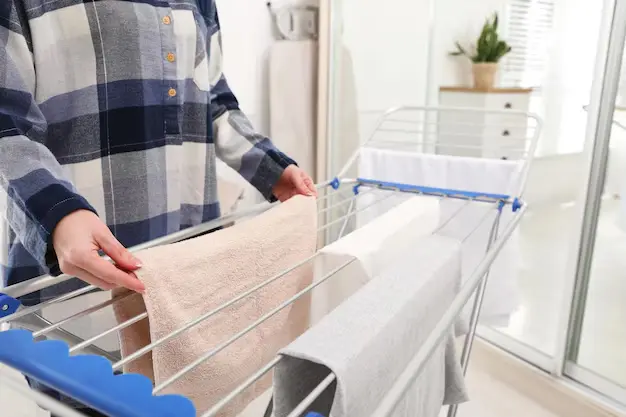
- A normal airer can work well for small loads, especially if the room has fresh air moving through it.
- A heated airer can be a better choice if you need clothes to dry faster, but it still does not remove all the moisture from the air. That is why the room still matters.
A dehumidifier can make a bigger difference in a home that already struggles with condensation. It helps take moisture out of the air while the clothes dry, which can make the room feel less heavy and less musty. It is still not a fix for leaks or a home problem that needs repair.
For more practical tips on choosing a drying rack, improving airflow and drying clothes faster, read our complete guide on how to dry clothes indoors in London.
So the best way to dry clothes in winter depends on your home, your load and how much moisture you can manage. A small load in a well-ventilated room may be fine on an airer. Bigger or slower-drying items may need a better moisture plan, or even a different route altogether.
Why Drying Clothes on Radiators Can Make Winter Damp Worse
Putting wet clothes on a radiator may seem like a quick way to dry them. But wet clothes can block heat from spreading around the room. This may make your home harder to heat and increase your energy bills.
Drying clothes on a radiator once is unlikely to cause a big problem. However, doing it often in a home that already has damp can make things worse. Use a clothes airer in a well-ventilated room instead.
Which Laundry Loads Are Worth Sending Out Instead of Drying at Home?
You don’t need to send every load to a laundry service. Small items, such as T-shirts and underwear, are usually easy to dry at home. But some items hold more water and take much longer to dry, especially in winter.
| Laundry item | Better option | Why? |
| T-shirts and underwear | Dry at home | Small, light items usually dry faster. |
| Towels | Depends on your setup | Thick towels can take a long time to dry on an indoor airer. |
| Bedding and sheets | Depends on load size | Large sheets need more space and airflow. Consider a laundry service for thorough drying. |
| Duvets and thick blankets | Consider a laundry service | Bulky items can be difficult to dry fully at home. |
| Heavy coats and thick jumpers | Check the care label | Some need special care and can take a long time to dry. |
| Several loads of family washing | Consider splitting the load | Too much wet laundry drying at once can add more moisture to your home. |
Your home and laundry load matter, too. If you have a well-ventilated drying space, managing a large load may be easy. But if you live in a small flat, have no tumble dryer or already struggle with condensation, sending bulky items to a laundry service may be a better choice.
Also, take into consideration the cost before deciding. Drying at home may cost less if you already have the right equipment and enough space. A professional service costs more upfront, but it saves you the work and space needed to wash and dry difficult items yourself.
Love2Laundry offers laundry and dry-cleaning services with free pickup and delivery. You can book suitable items for cleaning without having to keep them drying around your home. We charge £18.60 for 6kg of wash-dry-fold laundry, with a minimum order value at £20 with £1.99 service charge added in the total. We wash and clean all types of laundry and we can arrange pickup on the same day if you book before 6:59 pm, depending on driver availability. The turnaround time is 24 to 48 hours, depending on your area.
FAQs About Drying Clothes Indoors in Winter
Is it better to dry clothes outside in winter?
Yes, if the weather is dry and there is enough airflow. Clothes may take longer to dry in cold or damp weather. Bring them inside before rain or evening dampness makes them wet again.
Why do clothes smell musty after drying indoors?
Clothes can smell musty if they take too long to dry or stay damp for too long. Give each item enough space on the airer and make sure it dries fully before putting it away.
Should I dry clothes indoors if my home already has mould?
You may have no other choice, especially during wet winter weather. Try to limit the moisture you add to the room. Use suitable ventilation or a dehumidifier, and look into the cause of the mould. If it keeps coming back, drying changes alone may not solve the problem.
Can a dehumidifier help with indoor laundry?
Yes. A dehumidifier removes water from the air while your clothes dry. It can also help lower the risk of condensation. However, it uses electricity and will not fix leaks or other building problems that cause damp.
Keep Your Winter Laundry Fresh Without Adding to Damp Problems
Drying clothes indoors is often part of winter life, especially when rain makes outdoor drying difficult. You do not need to stop doing it completely. You need to manage the extra moisture and watch for signs of damp.
Use a suitable drying space, give clothes room to dry and deal with condensation before it becomes a bigger problem. For bulky items such as duvets, blankets and thick bedding, consider another drying option if they take too long to dry at home.
With a few sensible changes, you can keep your laundry fresh and reduce the risk of excess moisture building up in your home.

