


Is It Okay to Wash Towels and Clothes in One Laundry Load?
The biggest shortcut for doing laundry is combining loads, especially when schedules are tight, and laundry baskets fill up fast. People tend to assume that, since both towels and clothes are washable, it is fine to mix them. In reality, tossing towels and clothes together in a wash cycle effectively mixes items with entirely different purposes and care routines. Towels are made to absorb moisture, oils, and bacteria, whereas clothes are designed for comfort, flexibility, and appearance.
You may start to notice symptoms such as rough towels, lint-covered clothes, stale odors, or items that don’t return as fresh as expected when towels and clothes are washed together repeatedly. Not all of these issues develop instantly, and they take some time to accumulate. Knowing how towels and clothes perform in the washing and drying process would help you in making smarter decisions about how to do laundry and protect your fabrics in the long run.
Can You Wash Towels And Clothes Together?
Yes, you can wash towels and clothes together, and many people do, especially in small households or apartments where laundry loads are limited. For example, someone living alone might mix a couple of T-shirts while hand-washing towels simply to use the detergent and water more efficiently. In these situations, it is a smart decision to conserve resources, but what about machine-washing towels?
Washing towels and clothes together in a washing machine isn’t ideal. Towels usually are washed in hotter water, longer cycles, and often require more agitation to remove trapped oils and bacteria, which means clothes usually are better off being washed, particularly those that are soft or casual, in cooler temperatures with gentler handling. If washing towels and clothes together, it would ultimately compromise the cycle, so that it would not be able to give optimal treatment to either towels or clothes.
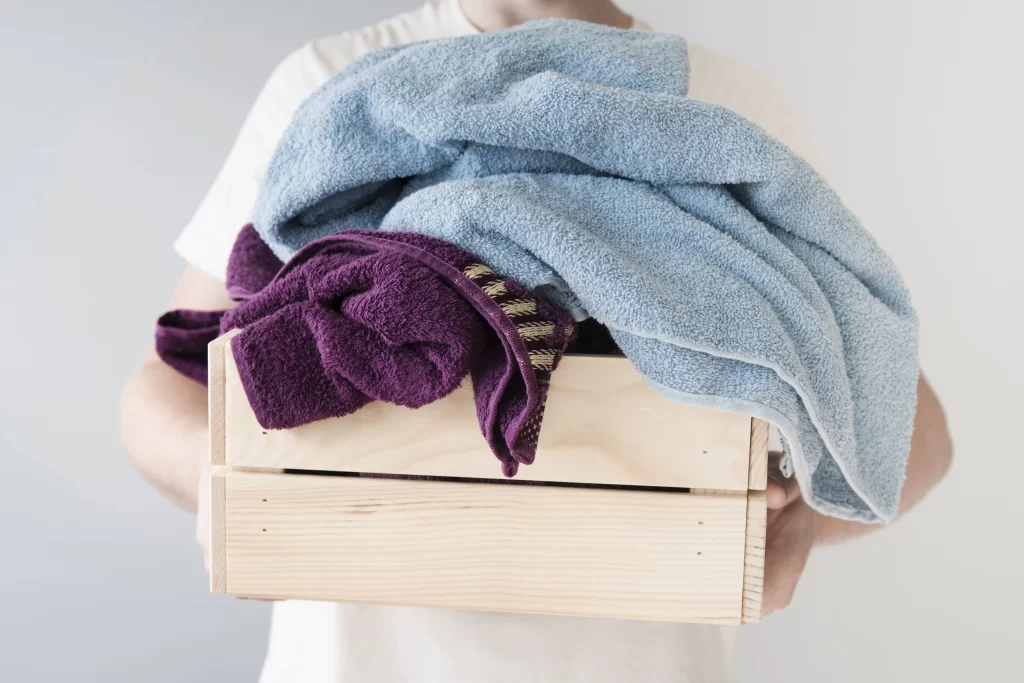
Why Towels and Clothes Should Be Washed Separately
Although it may feel convenient to combine everything into one load, when you wash and dry towels with clothes, the result will be affected. Towels are designed to absorb moisture, body oils, and residue, which means they usually require stronger wash cycles, warmer water, and more agitation. Clothes, on the other hand, are often made from lighter or blended fabrics that benefit from gentler care.
When these items are washed together, neither receives ideal treatment. Separating them helps prevent fabric damage, reduces hygiene concerns, and ensures the white clothes are bright and clean.
Different Fabric Types Matter
Towels are typically made from thick, looped cotton fibers designed to trap moisture and dirt deep within the fabric. Clothes, however, come in a wide range of materials, including lightweight cottons, synthetics, blends, and delicate fabrics. When washed together, the rough texture of towels can rub against smoother garments, creating friction that weakens fibers over time.
In real life, this often shows up as pilling on T-shirts, faded colors on casual wear, or thinning fabric on frequently worn clothes. Repeated contact with heavy towels can cause clothes to lose their softness and shape much faster than expected.
Weight and Balance in the Wash
Once towels absorb water, they become significantly heavier than most clothing items. This difference in weight can create an unbalanced load inside the washing machine, especially during the spin cycle. An uneven load reduces proper agitation, meaning dirt and detergent may not rinse out completely.
Many people notice loud thumping or shaking during the spin cycle when towels are mixed with clothes. Over time, this imbalance can strain the washer’s internal components and cause clothes to twist tightly around towels, resulting in uneven cleaning.
Different Drying Times
Towels naturally hold more water than clothes, which means they require longer drying times. If you dry towels with clothes, you can even save energy, but when towels and clothes are dried together, lighter garments may dry much faster while towels remain damp.
In everyday scenarios, people often find their clothes stiff, shrunken, or overheated, while towels still feel cool and wet. Damp towels left behind can develop musty odors if not dried thoroughly, requiring rewashing.
Lint Issues
Towels are one of the most common sources of lint in the laundry process, especially when they are new. When washed with clothes, this loose lint easily transfers onto other fabrics, particularly dark-colored or synthetic garments.
This becomes frustrating when clean clothes come out of the washer or dryer covered in fuzz, requiring extra time with a lint roller. Over time, repeated lint exposure can make clothes look dull and worn, even when they are freshly cleaned.
When It’s Fine to Wash Towels and Clothes Together
There are certain situations where mixing towels and clothes is acceptable. If both items are made from similar, durable cotton fabrics and are lightly soiled, combining them occasionally won’t cause major harm. For example, washing cotton pajamas with hand towels during travel or in a shared laundry facility can be practical. Some people also choose to wash towels with sheets since both are heavy cotton items with similar wash needs.
Even in these cases, it’s best to avoid mixing towels with delicate clothing, dark fabrics, or performance wear. Occasional mixing is about convenience, not best practice.
When to Keep Towels and Clothes Separate
You should always keep towels and clothes separate when towels are heavily used, damp, or exposed to body oils. Bath towels, gym towels, and kitchen towels carry more bacteria and residue than everyday clothes. Parents often separate loads when washing children’s or baby clothing, while professionals avoid mixing work attire with towels to maintain fabric quality. Regularly choosing to wash towels and clothes separately improves cleanliness and prevents odor transfer.
Tips for Washing Towels and Clothes Together (If You Must)
Sometimes separating laundry isn’t possible, especially in small households, shared laundry spaces, or during busy weeks. If you must wash towels and clothes together, making thoughtful adjustments can help minimize damage and improve results. The goal is to reduce friction, prevent detergent buildup, and ensure both towels and clothes come out clean and fresh. By paying attention to load balancing and product selection, you can reduce the risks that often come with mixed loads.
The following tips focus on simple, realistic steps that make combined washing safer and more effective.
Keep Towels and Clothes Balanced
When washing towels and clothes together, it’s important to balance the load carefully. Avoid adding too many towels at once and pair them only with clothing of similar weight, such as cotton T-shirts or sleepwear. This allows the washer to evenly agitate items.
Balanced loads reduce excessive twisting and help water and detergent circulate properly. In practice, this means fewer stretched garments, better rinsing, and a quieter, more stable wash cycle.
Choose Appropriate Detergents
Using the right detergent is crucial when washing towels and clothes together. Mild, high-quality detergents clean effectively without leaving heavy residue on fabrics. Overusing detergent can cause buildup on towels, reducing absorbency, while also making clothes feel stiff.
People often assume more detergent equals cleaner laundry, but this can backfire in mixed loads. Choosing the correct amount and type of detergent helps both towels and clothes rinse clean and feel fresher after washing. If you feel like the detergents are costly, you can check the laundry prices of an expert service provider and let us wash your towels.
Also Read – Want to learn the tips to whiten white towels? Our blog will provide you with the details.
Towel Washing Tips
Proper towel care goes beyond simply tossing them into the washing machine. Towels are frequently exposed to moisture, skin oils, and bacteria, making them more prone to odor buildup and reduced absorbency over time. Following the right washing and drying practices helps maintain softness, cleanliness, and performance.
Whether you’re washing bath towels, hand washing towels, or kitchen towels, small adjustments can make a noticeable difference. Towels must stay separate in the laundry to prevent damage. Here are some towel washing tips you can look at.
Regular Maintenance
Towels should be washed regularly to prevent bacteria and odor from settling into the fibers. Towels that stay damp for long periods can quickly develop unpleasant smells, even after washing.
Some people also choose hand-washing towels between machine washes to refresh them quickly. This light maintenance helps extend the time between deep washes while keeping towels fresh and usable. Make sure not to dry towels with clothes, so you can save them.
Avoid Overloading the Washer
Overloading the washer with towels prevents proper movement and agitation. When towels are packed too tightly, water and detergent cannot reach all areas, resulting in uneven cleaning and detergent residue.
In everyday use, overloaded machines often leave towels feeling stiff or still dirty after washing. Allowing sufficient space in the drum improves cleaning performance and helps maintain towel softness.
Drying Towels Properly
Drying towels thoroughly is just as important as washing them. Towels that are not fully dried can trap moisture, leading to mildew and persistent odors.
If towels are dried alongside clothes, lighter garments should be removed first as the towels continue to dry. Proper drying ensures towels stay fresh, fluffy, and ready for everyday use.

FAQs – Washing Towels with Clothes
Is it okay to wash bath towels with clothes?
It’s okay occasionally, but frequent mixing isn’t recommended. Bath towels absorb oils and moisture, making separate washing more hygienic.
What clothes should not be washed together?
Delicates, dark colors, and lint-attracting fabrics should not be washed with towels or heavy items.
How can I make laundry smell good?
Use the right detergent amount, clean your washer regularly, dry items completely, and avoid leaving damp laundry sitting too long.
Let’s Wrap It Up!
While it may seem convenient to wash towels and clothes together, doing so regularly can compromise cleanliness, fabric quality, and drying efficiency. Towels and clothes have different needs, and separating them allows each to be cleaned and dried properly.
If you occasionally wash towels and clothes together, mindful load balancing and proper washing choices can help minimize issues. In the long run, separating loads leads to fresher towels, better-looking clothes, and a more effective laundry routine overall. So, book our service now and let professionals handle the washing of towels and clothes.