


Tumble Dry or Line Dry? Which Is the Best Drier For Clothes
The drying process is just as important as the washing process to protect the fabric’s durability. The wrong drying procedure could shrink and fade the colour of clothes. That is why selecting the correct drying method, which is appropriate according to the fabric type, is necessary.
This brings up the question of which method is the best drier for clothes between tumble dry and line dry. The answer is that both methods can be the best drying technique for clothes, depending on which one you use. Because eventually a person will need one of them somewhere, sometime in life.
Returning to the main question, which one should you opt for: tumble dry or line dry, while also covering how to dry clothes indoors? The answer lies in first understanding both of them. If you want to professionally dry-wash clothes, we offer high-quality tumble-dry service, laundry, and dry-cleaning services that not only dry but also wash your fabric without causing damage. Our handling of outfits removes stains effectively while offering you convenience with pickup and delivery.
Laundry hacks by Love2laundry experts, including how to dry clothes, will give you instructions on how to tumble-dry clothes and keep fabric durable to enhance quality.
Let’s get into it by learning what tumble dry is, whether there is a setting called no-heat tumble dry, and why it is the best way to dry clothes.
Quick Answer: Neither tumble drying nor line drying is universally better. Both work well, but it depends on your fabric type and drying conditions. Tumble drying suits sturdy and everyday fabrics when speed matters. Line drying is gentler and energy-efficient, better for delicates. The right choice comes down to what you’re drying and the conditions available to you.
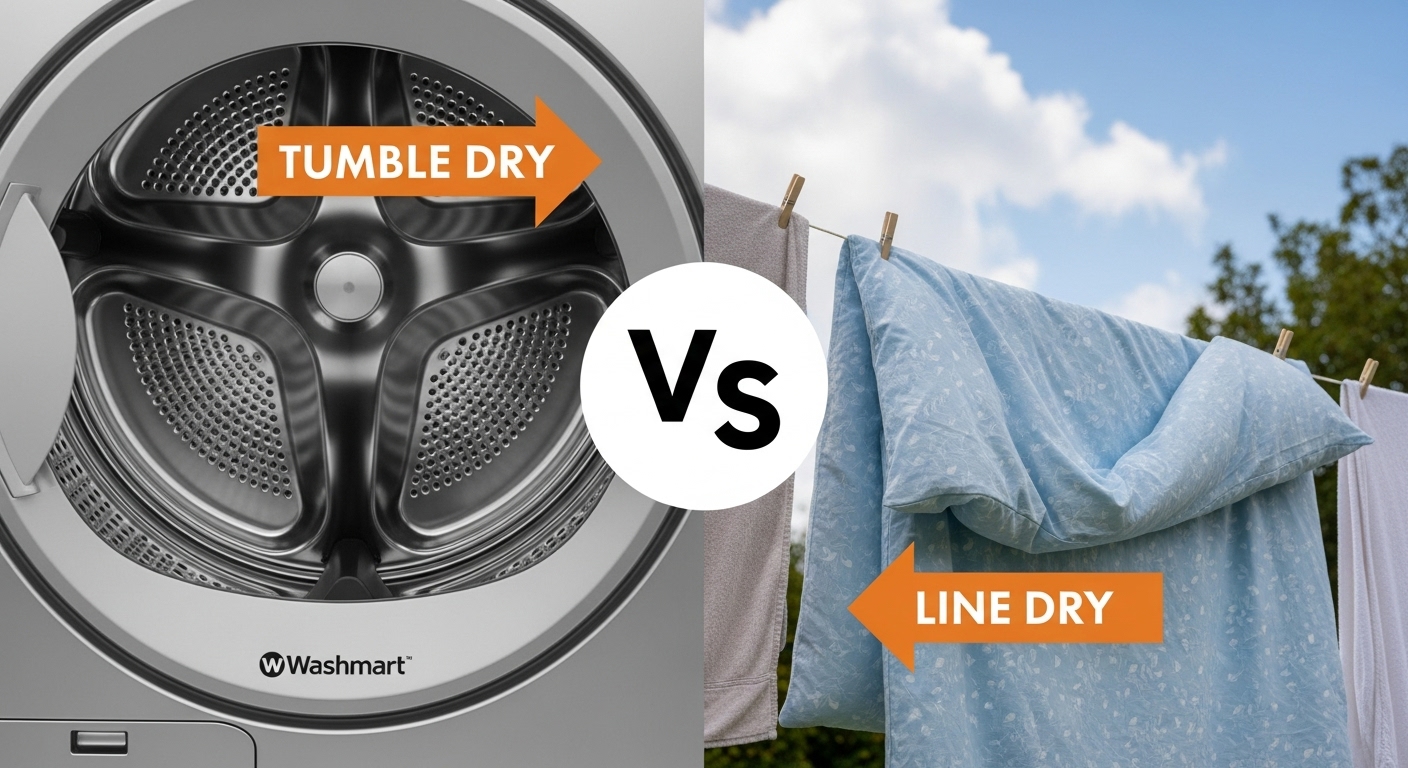
Which Method Works Best for Different Fabrics?
Both tumble drying and line drying are effective, but not all fabrics respond the same way to heat, air, or movement. Choosing the right method depends on the delicacy of the fabric and time available on your hand. Moreover, the right choice will help you avoid shrinkage, wrinkles, or fading.
Here’s a breakdown to help you decide:
Cotton
- Tumble Dry: Safe on low to medium heat. Great for towels, T-shirts, and bedsheets. Avoid over-drying to prevent shrinkage.
- Line Dry: Even better if you want to preserve colour and prevent fabric stress. Just shake and hang properly to reduce wrinkles.
Best method: Both work well, but line drying is gentler for long-term care.
Silk & Delicate Fabrics (Lace, Rayon, Chiffon)
- Tumble Dry: Not recommended. Even low heat can damage or shrink delicate fabrics.
- Line Dry: Best choice. Air drying on a flat surface or hanger keeps the fabric safe and maintains its shape.
Best method: Always line dry.
Wool & Knits
- Tumble Dry: Can shrink and lose shape quickly unless labelled “tumble dry safe.”
- Line Dry: Safer option. Lay flat to dry to avoid stretching or sagging.
Best method: Line dry flat.
Denim & Heavy Fabrics
- Tumble Dry: Works well but can cause fading and stiffness over time. Use medium heat and remove promptly.
- Line Dry: Takes longer but helps maintain fit and colour. Hang inside out to reduce fading.
Best method: Tumble dry for convenience; line dry to extend lifespan.
Synthetic Fabrics (Polyester, Nylon, Spandex)
- Tumble Dry: Low heat works fine. Quick and safe for most gym wear and activewear.
- Line Dry: Also good, especially to preserve elasticity in items like leggings or undergarments.
Best method: Either works. Avoid high heat.
Final Tip: Always check the care label
Before drying any garment, check the tag for symbols or instructions. Some items say “Do Not Tumble Dry”, while others may suggest “Line Dry Only or No Heat Tumble Dry”. Following care labels helps prevent damage and keeps your clothes looking new.
Choosing Tumble Dry vs. Line Dry Based on Conditions
Sometimes, it’s not just about the fabric; your living situation, weather, and even daily routine can determine whether tumble drying or line drying works better.
Let’s look at a few common situations and help you choose the best drying method accordingly.
Hot and Dry Weather (Ideal for Line Drying)
If you live in an area with lots of sunlight and dry air, line drying is a perfect option.
- An outdoor laundry line dries clothes often within an hour or two.
- No electricity needed, so it’s cost-effective.
- Ideal for drying bed sheets, cotton garments, and everyday wear.
Rainy, Humid, or Winter Weather (Better for Tumble Drying)
During monsoon season or foggy winters, outdoor drying can take days and leave clothes smelling damp.
- Line drying becomes unreliable.
- Clothes can attract mould or dust if left too long outside.
Use a tumble dryer or tumble dry services to keep clothes fresh and dry.
Limited Living Space (Apartments or No Outdoor Area)
IIf you live in a flat or don’t have access to a balcony, terrace, or garden:
- Line drying indoors may take up space and increase indoor humidity.
- An indoor laundry line without proper airflow can cause musty smells and slow drying times.
A small tumble dryer is a more practical and hygienic answer to the how to dry clothes indoors question, compact enough to fit in most flats without taking up much room.
When You’re Short on Time
Need to wear something in the next hour? Got laundry backed up during a busy week?
- A washing machine and tumble dryer setup gives you ready-to-wear clothes in under an hour.
- Line drying simply won’t keep up with urgent needs.
Tumble dryer for clothes: quick, same-day results.
Family Loads vs. Single User
- Families with bulk laundry benefit from tumble dryers for speed and efficiency.
- Single individuals or students may prefer line drying to save electricity and space.
Want Wrinkle-Free Clothes Without Ironing?
- Tumble drying with a fabric softener or wrinkle release setting can reduce the need for ironing.
- Line drying may leave clothes stiff or creased if not shaken and hung properly.
Use a tumble dryer service for wrinkle control.
Experience ECO-Friendly Laundry, Drying & Wash-n-Fold Service!
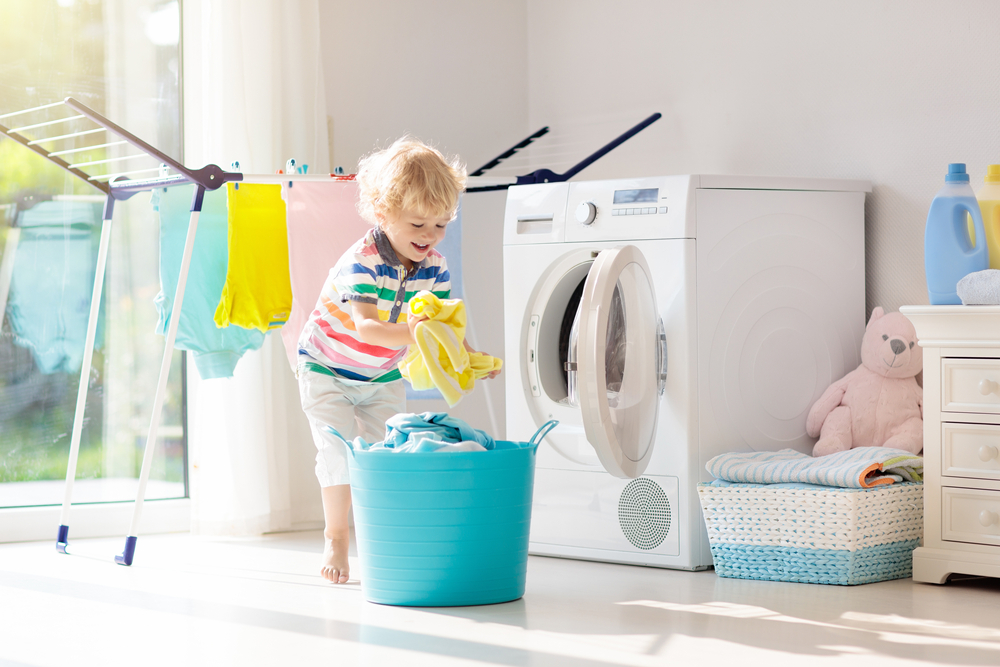
What is Tumble Dry?
Before going into what a tumble dry is, aren’t you curious to know why the word tumble?
What Does the Word “Tumble” Really Mean?
Tumble drying uses a rotating drum and warm air to dry clothes quickly, leaving them soft and fluffy. However, using the wrong settings can cause shrinkage or colour fading. For a full breakdown of the process, safe fabrics, care label symbols, and more, check out our complete guide: What is Tumble Dry?
Benefits of Tumble Dry
Tumble-drying offers several practical benefits, especially when done with the right settings and fabric types:
- Fast and Convenient
- Soft and Fluffy Results
- Improved Hygiene
- Saves Time and Effort
- Smart Energy Use (with Modern Dryers)
Bonus Tip:
You’ll often see clothing care labels saying:
- “Tumble dry low” – use low heat.
- “No heat tumble dry” – use the tumble dry without heat.
- “Do not tumble dry” – air dry only to avoid damage or shrinking.
What is Line Drying: The Eco-Friendly Choice
Line drying is a natural process of removing moisture and residues from outfits by hanging them in an open area. It’s also one of the best ways to dry clothes indoors without a dryer, as you just need to hang the clothes. And if you are drying outdoors, the sunlight will absorb all the moisture and remove the odours.
It is a simple and easy way to dry clothes. Just tie a drying line, commonly known as a clothesline, between two spots and hang your clothes to dry. But it does have its own nuances. Choosing this drying line method to dry washed clothes depends on certain situations and fabric requirements. These situations bring in some downsides, too, depending on the circumstances.
Why Choose Line Drying?
Line drying is a gentle and sustainable way to care for your clothes, especially for delicate and heat-sensitive fabrics. In fact, some garments should only be air-dried, like lingerie, silk blouses, wool sweaters, embellished garments, rayon dresses, and delicate baby clothes, making this method not just ideal, but necessary. Here’s why it’s worth considering:
- Eco-Friendly Choice: It uses no electricity, reducing your carbon footprint and household energy bills.
- Extends Fabric Lifespan: Fabrics like cotton, linen, and wool retain their shape and strength longer when air-dried instead of exposed to dryer heat.
- Preserves Fabric Quality: Fabrics like linen, cotton, and hand-dyed items maintain their colour, structure, and softness when dried naturally.
- Gentle on Delicates: Items made from silk, lace, or rayon are less likely to shrink, stretch, or tear when dried naturally.
- Fresh, Natural Scent: Clothes dried in open air often smell fresher without the need for artificial fragrances.
- Reduces Wrinkles (With Care): Properly hung garments, especially shirts and dresses, can dry nearly wrinkle-free, minimising ironing.
- Budget-Friendly: It’s completely free and ideal for regular use.
Line drying is one of the best drying techniques for clothes like cotton, silk, wool, and linen, as it prevents heat damage and helps preserve the fabric’s natural texture, shape, and quality.
Limitations of Line Drying
While line drying is energy-efficient and gentle on clothes, it does come with a few practical challenges, especially during everyday laundry routines. For instance,
- Drying a heavy load of jeans or towels on a cloudy day can take hours, or even an entire day, to fully dry.
- Silk or rayon garments may wrinkle or lose shape if not hung correctly.
- On windy days, clothes can collect dust or pollen,
- And strong sunlight may fade the colours of bright T-shirts or dark fabrics.
- There’s also the risk of insects or bird droppings when drying clothes outside.
These are real concerns to consider, especially if you do laundry frequently or care for delicate fabrics. You can look for hassle-free laundry pickup services to prevent these limitations when washing and drying your outfits.
Tips for Maximising Efficiency in Both Drying Methods
Multiple tips can enhance both tumble drying and line drying methods to prevent fading, shrinking, and scorching. So, let’s look at those tips for the best drying technique for clothes.
For Tumble Drying
- Sort your clothes by fabric type.
- Opt for dryer balls.
- Prevent overloading the dryer.
- Clean the lint filter after every round.
For Line Drying
- Select the right time and weather.
- Shake the garments before hanging them.
- Use a drying line or rack to dry clothes indoors.
- Avoid places with high humidity.
Why Love2Laundry is Your Best Choice for More Than Drying
At Love2Laundry, you’ll get laundry services suitable for fabrics and effective for removing stains. We wash your outfits properly and follow the best drying techniques for clothes.
We offer convenience and a user-friendly interface in our best laundry app to schedule your booking. Our flexible scheduling lets you choose a time that fits your availability to avoid miscommunication. So, let us do your laundry while you enjoy professional washing.
FAQs – Tumble Dry vs Line Dry
What is the best drying method for clothes?
There are multiple ways to dry clothes that are suitable for different fabrics. Just remember that it depends on the fabric type. You can machine dry if the fabric is durable and air dry if the fabric is delicate.
What’s the best way to dry clothes indoors?
The best way to dry clothes indoors is to use a drying rack in an open area. Avoid crowded areas and keep the fans and windows open. You can also use a tumble dryer.
How to stop clothes from smelling damp when drying indoors?
You can stop clothes from smelling damp when drying indoors by ensuring proper airflow and using a dehumidifier to reduce humidity. Make sure to avoid piling up the outfits for a speedy drying process.
How long do clothes take to dry on an airer?
The drying time on the airer depends on the type of fabric. For instance, light fabrics would take 2 to 4 hours to dry, while thicker fabrics could take 6 to 12 hours to dry in a compact space.
Where is the best place to dry clothes on an airer?
The best place to dry clothes on an airer is near a heat source or in a room with proper ventilation. You can even dry your clothes in a laundry room.
Wrap Up!
After learning about the best drying technique for clothes, you will have no problems to choose between tumble dry vs line dry. Tumble-drying durable fabric will save you time and effort. The tips and tricks here will guide you on how long to tumble dry clothes so that the colour of your clothes won’t fade away.