

How to Choose the Right Wash Cycle
Selecting the appropriate wash cycle is essential in maintaining your clothes in optimal condition. Wash cycles are made for particular fabrics and soil conditions, thus ensuring that you get the maximum benefit from the machine without abusing the fabric.
No matter whether your clothes are made of delicate materials, sportswear, or just simple everyday clothes, the appropriate wash cycle will make your clothes last longer. The inappropriate use of wash settings can lead to various adverse effects on your clothes. For this reason, it’s critical to understand what eco warm is on a washer.
Quick Answer: To choose the right wash cycle, check your garment’s care label first, then match the cycle to the fabric type and soiling. Delicates need a gentle cycle with cold water, synthetic or lightly soiled items do well on a quick or eco cycle, and heavily soiled cottons require a normal or heavy-duty cycle with warm or hot water.

Understanding Wash Cycles
The combination of water temperature, spin speed, and duration, known as a wash cycle, is intended to clean clothing according to the type of fabric and level of dirt. Every cycle is the right wash cycle, designed accordingly to handle a wide range of materials, from delicate silks to sturdy cottons, without causing harm.
Learning how to choose the right wash cycle can help you save energy and water, prolong the life of your clothing, and maintain the fabric’s quality. Your laundry will always come out fresher, cleaner, and better protected if the settings are correct.
Common Washing Machine Programs
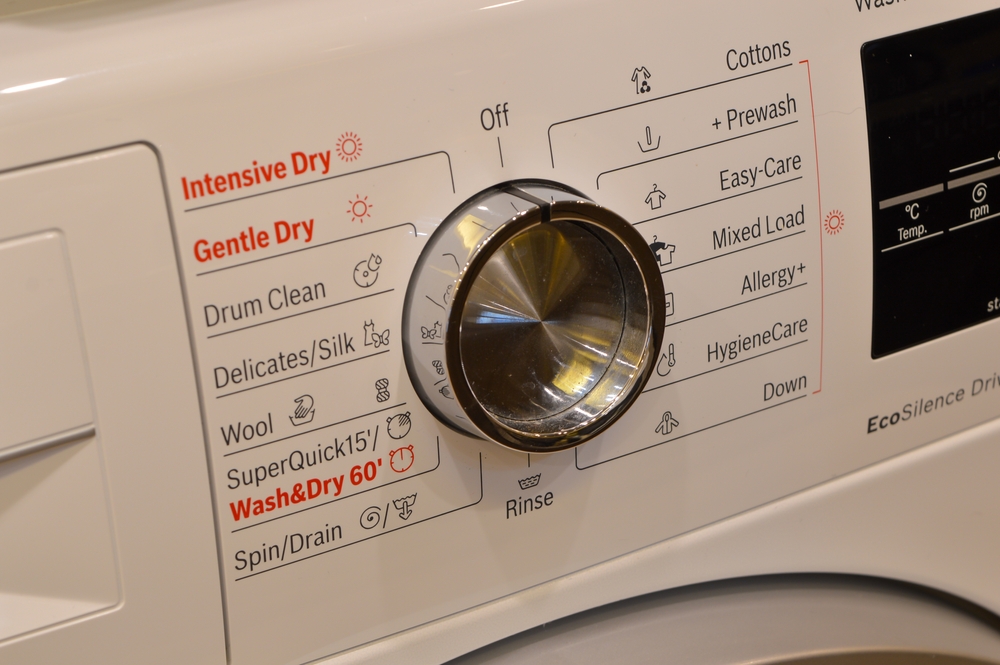
Modern machines often come equipped with the right wash cycles to accommodate a wide range of fabrics and soil types. You can preserve your clothing and get the best cleaning by being aware of these options.
Every setting, from delicate to wool, cotton, and synthetics, is designed to meet specific requirements. The washing machine’s setting symbols can help you make the correct decision about choosing the right wash cycle if you’re ever unsure.
Cotton
For sturdy materials like jeans, towels, and regular T-shirts, selecting this setting is the right wash cycle. To effectively remove dirt and stains, it typically uses longer wash cycles and higher temperatures. Ideal for items that can handle a deep, thorough clean without risk of damage.
Colours or Darks
This setting utilises a lower temperature and gentle agitation to preserve vibrant colours and prevent fading. Perfect for bright colours and dark garments that need special attention to keep their appearance over time.
Synthetics
It’s best for polyester and activewear. Use a medium temperature with a moderate spin. This right wash cycle for these fabrics prevents synthetic fibres from heat damage while maintaining the shape of stretchy garments.
Delicates / Wool
Use gentle washing and a lower temperature for delicate fabrics, such as wool or silk. This cycle prevents shrinking and stretching, as well as fabric damage, by using slow agitation.
Sportswear
This cycle, specifically designed for performance and sportswear, efficiently eliminates sweat, body oils, and odours. It ensures a deep clean while protecting stretchy, technical fabrics with a gentle spin and a moderate temperature.
Quick Wash
Quick wash cycles provide a quick clean in 15 to 30 minutes, making them the right wash cycle for lightly soiled clothing or when you’re short on time. They aren’t appropriate for delicate textiles, large loads, or highly soiled objects, though. Use this setting only when clothes don’t require a thorough cleaning, but instead need to be refreshed.
Eco Wash
An energy-efficient solution that lowers temperatures and uses less water. Eco Wash is considered a right wash cycle for daily laundry that isn’t very dirty, even though it takes longer than typical cycles, and helps lower utility costs and environmental impact.
Hand Wash
This cycle is also available on heavy-duty washing machines and is ideal for delicate items, such as silk, lace, and fine knits. It mimics the gentle motion of hand washing. It prevents damage or distortion to delicate textiles by using cool water and little agitation, making it the right wash cycle for clothes that you may be unsure about.
Choosing the Right Temperature for Different Fabrics
The key to protecting your clothing with a thorough clean is using water that is the right temperature, along with the right wash cycle. Cotton and highly soiled materials often require warmer settings, whereas delicate materials like silk and lace perform best in cold water.
It is essential that one knows what temperature your material can withstand because it helps prevent damage, loss of colour, and shrinkage. For white clothing, the required temperature may vary: 30° C for regular cleaning, 40° C for normal cleaning, and 60° C for stain removal. You can find a full breakdown in our guide to the best temperature for washing white clothes.
Tip: Check your washer’s manual for details on casual vs. normal wash time.
Cold Wash (30°C or less)
Cold water at 30 degrees is ideal for delicate fabrics and lightly soiled clothing because it conserves energy, reduces the risk of shrinkage, and helps prevent fading.
Warm Wash (40°C)
Blends, colours, and synthetics are best for general use. Warm water is a balanced choice for the majority of laundry loads because it helps remove everyday dirt and oils without being too harsh on fabrics.
Hot Wash (60°C or more)
Use on bedding, towels, and whites to remove tough stains and kill germs. For highly soiled items that require thorough cleaning and sanitising, this setting is frequently included in a heavy-duty wash cycle. Because high heat can harm delicate fabrics, make sure to read the care labels for how to choose the right wash cycle.
What Spin Speed Should You Use?
Knowing the right wash cycle is not going to complete the cleaning process. The spin speed has a significant impact on how wet your clothes come out and how long they last, or your washing machine won’t spin out the desired result. Selecting the ideal speed can reduce drying times and preserve textiles.
Low Spin (400–800 rpm): Kind to delicate materials like silk and lace. Helps avoid damage or stretching.
Medium Spin (1000–1200 rpm): Ideal for everyday clothes, such as jeans, T-shirts, and synthetic blends. Strikes a balance between fabric care and water removal.
High Spin (1400+ rpm): Ideal for durable items, such as bed sheets and towels. Reduces drying time considerably by removing more water.
You can achieve better results while maintaining the quality of your clothing by matching the spin speed to the type of fabric.
How to Match Wash Cycle to Clothing Type
Use this quick-reference table to identify the best washing machine setting for various types of clothing. Choosing the right washing machine wash cycle helps protect your fabrics, preserve fit, and get better cleaning results.
| Clothing Type | Recommended Cycle | Temperature | Spin Speed |
| Jeans & Towels | Cotton | Hot wash | High spin |
| Delicates (silk, lace) | Delicate | Cold wash | Low spin |
| Workout Clothes | Sportswear | Warm wash | Medium spin |
| Baby Clothes | Cotton or Baby cycle | Warm/hot wash | Gentle spin |
Pairing your garments with the best washing machine settings avoids damage and enhances fabric care. Always check washing machine settings symbols first!
Pro Tip: Before tossing your favourite gym shirt, ask yourself: Can you get smells out of clothes with a deep clean?
Common Mistakes to Avoid When Choosing Wash Settings
Using incorrect settings can damage delicate fabrics or reduce the lifespan of your clothing. Selecting a wash that is too hot for delicate or synthetic materials is a common error that can result in damage or shrinking. Another way to reduce cleaning efficiency is to overload the machine during the heavy-duty wash cycle.
Another no-go is using a fast spin setting on wool or silk because it can cause the fabric to stretch or warp. Always consider the care labels to determine the best washing machine settings for each item, and then adjust the cycles accordingly.
Considering doing a thorough cleaning? To prevent clumping or fabric wear, learn how to wash a duvet; sometimes it’s best to leave it to the professionals.
Don’t Want to Risk It? Use a Professional Laundry Service
Don’t take a chance if you’re not sure how to choose the right wash cycle for your delicate or designer clothing. An incorrect setting may result in fading, shrinkage, or damage that is difficult to repair.
Along with the convenience of same-day pickup and delivery, Love2Laundry’s expert care gives you peace of mind. Your clothing is in good hands, whether it’s silk, sequins, or suits.
Are you prepared to avoid the tension? Book now to achieve faultless outcomes without any effort. Additionally, with advanced technology, AI washing machines are revolutionising laundry by ensuring accuracy, preserving fabrics, and delivering the best possible cleaning outcomes.
Book laundry services with Love2Laundry
Are you unsure which cycle to use for your delicates or highly soiled items? Always rely on the professionals when in doubt. Love2Laundry uses the best washing machine settings for each type of fabric and stain level, eliminating the need for guesswork when it comes to laundry care. Let Love2Laundry take care of everything with expertise to save time and prevent errors.
FAQs – How to Choose the Right Wash Cycle
How to choose the correct wash cycle?
Check your garment’s care label first, then match the cycle to the fabric type and soil level. Delicates need a gentle cycle with cold water, heavily soiled cottons suit a normal or heavy-duty cycle with warm or hot water, and synthetics or lightly soiled items do well on a quick or eco cycle.
What is the best cycle to wash clothes on?
The normal cycle is the best all-rounder for everyday laundry like cotton, linen, and durable synthetics like T-shirts, trousers, and underwear. If your clothes aren’t heavily soiled and you want to save on energy bills, the eco cycle is a great alternative for regular loads.
What happens if you use the wrong wash cycle?
Washing clothes using the incorrect cycle can result in shrinkage, colour loss, stretching, or even fibre deterioration. Delicate clothes washed on the heavy-duty cycle will get torn, whereas heavily dirty clothes washed on the delicate cycle will not get thoroughly cleaned. You must always refer to the care label before choosing a cycle.
Wrap Up!
It takes more than just pressing a button to choose the right wash cycle; it also protects your clothing, conserves energy, and provides the best possible clean. Knowing how to choose the right wash cycle can significantly impact the longevity of clothing and overall laundry efficiency, whether it’s for delicate items or denim.
Don’t undervalue the importance of washing machine setting symbols. Always check the fabric labels and consider the soil level. You can now confidently and carefully handle any load with the help of these expert tips and techniques.

