How Much Is 6KG of Laundry? Weighing Capacity Explained
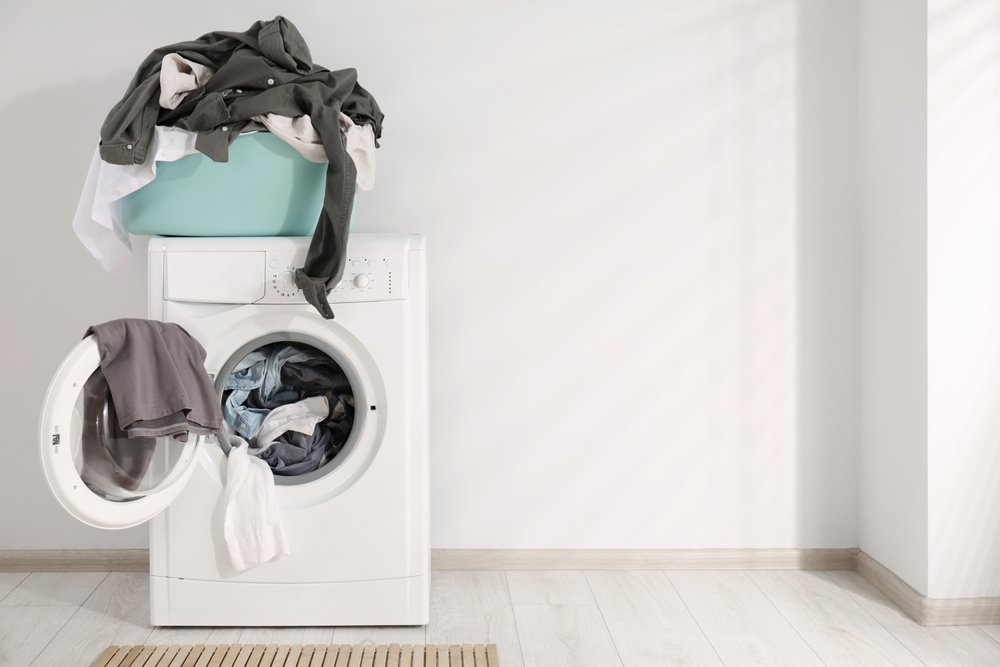
Have you ever stood in front of your washing machine with a full laundry basket and wondered, “Will all of this fit in my machine?” You are not alone. Many people know how to choose a wash setting or add detergent, but understanding washing machine capacity is where things become confusing.
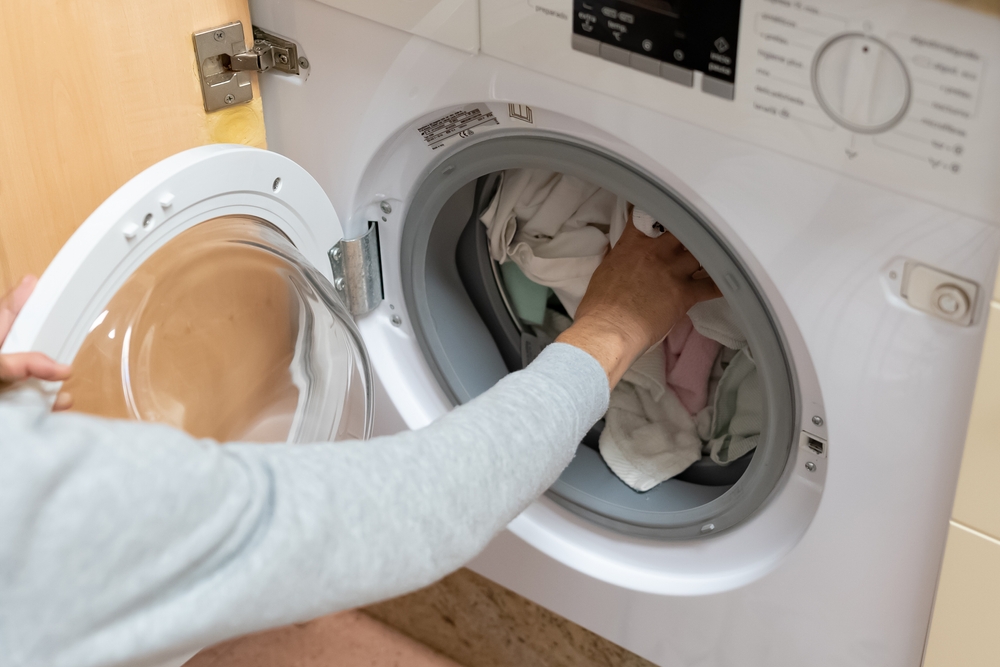
The number written on a washing machine, such as 6KG, does not tell you how many clothes you can simply push inside. It tells you the maximum weight of dry clothes the drum can clean properly in one cycle.
In our experience helping people with laundry, one of the most common mistakes we have noticed is trying to fill the machine as much as possible. People think a fuller drum means fewer washes and lower costs. But when the machine is too full, clothes cannot move freely, water cannot reach every fabric properly, and the final result is often disappointing.
That is why understanding how much is 6kg of laundry can save you time, money, and frustration. A 6KG load is a useful size for many people, especially individuals or couples who need regular weekly washing without running a machine that is too large.
One of our most popularlaundry services is our 6KG wash load, which is perfectly suited for individual or couple needs. If you want to learn more about what 6KG of laundry is and why it’s a popular choice for users of ourlaundry app, keep reading this article. You may be surprised to learn what can happen if you are careless about the capacity of a washing machine!
Quick Answer: How Much Is 6KG of Laundry? A 6KG washing machine load means the machine can wash 6 kilograms of dry clothes in one cycle. This does not include the extra weight added when clothes absorb water during washing. In real life, the clothes of one person or a couple’s regular laundry of 6KG can be around 25–30 T-shirts or a mixed load with jeans, tops, jumpers, and towels.
What Does the 6KG Limit Refer to When Doing Laundry?
Whether you are abeginner getting to grips with laundry or a busy family person with many people depending on you for clean clothing, you can be forgiven for not fully understanding how the capacity of a washing machine works.
If choosing a washing machine for at-home use, you can shop by KG, which is ideal for selecting the right-sized model. This is an important buying decision asa new washing machine can last anywhere between 7 and 12 years, meaning it’s a piece of equipment you will have for a significant amount of time. Family plans and running costs should be planned when making a new purchase.
Why Dry Weight vs Wet Weight Matters
When you see a washing machine labelled as a 6kg washing machine capacity, you may think it means the machine can only handle 6KG once your clothes are wet. This is where many people get confused.
The important thing to remember is that washing machine capacity is always measured by the weight of your clothes before they go into the drum. A 6KG machine means you can add up to 6KG of dry laundry, not 6KG after water has been absorbed.
This matters because clothes become much heavier during a wash. A small pile of T-shirts, jeans and towels may feel manageable when dry. But once the fabric absorbs water, the weight increases significantly. Your machine is designed to handle this change, so there is no need to calculate the wet weight.
A simple way to remember it:
6KG capacity = weight of dry clothes before washing
Wet clothes weigh more after absorbing water, but this is already considered by the machine design
The same rule applies when using a 6kg tumble dryer. To make it easier to understand, a 6kg tumble dryer also measures capacity using the dry weight of clothes. The clothes may feel much heavier after washing because they hold water, but the dryer rating is still based on their weight before the wash. This is why it is important not to assume every washing machine load will fit perfectly into your dryer.
What Actually a 6KG Load Looks Like?
Once you understand that a 6KG load refers to dry clothes, the next question is usually: how much laundry does that actually mean in everyday life? A 6KG load can look different depending on what you wash during the week. Someone washing only everyday clothes will fit more items than someone adding towels, jumpers, or bedding.
To make it easier to understand, here is an example of what a typical individual’s weekly laundry could look like:
Laundry item
Approx. dry weight
Typical weekly amount
Total weight
T-shirts/tops
150–200g each
7 items
1.05–1.4kg
Underwear/socks
50–100g each
10–14 items
0.5–0.8kg
Trousers/jeans
700–900g each
2 pairs
1.4–1.8kg
Jumper/sweater
500–800g each
1 item
0.5–0.8kg
Bath towel
Around 500g each
2 towels
1kg
Pillowcase
Around 100–200g each
2 pillowcases
0.2–0.4kg
Bed sheet (double)
Around 800g
1 item
800gm
Estimated total
Around 25 items
Around 5.45–7kg
If you do not have a scale at home, there are also simple ways to estimate whether your laundry basket is close to a 6KG load.
Simple Ways to Estimate How Much Clothes is 6KG
You do not need to weigh every item before putting your laundry into the machine. Most people do not have a laundry scale at home, and you should not need one for every wash. A few simple checks can help you understand if your basket is close to a 6KG load.
Use Your Laundry Basket as a Guide
A loosely filled standard laundry basket with a mix of everyday clothes is often around the range of a 6KG load. However, remember that heavier items such as jeans, towels, and jumpers will reach the weight limit faster than lightweight T-shirts.
Conduct the Lift Test
Pick up your laundry basket before loading the machine. A load close to 6KG should feel like a considerably full shopping bag. You may be over the recommended capacity if the basket feels difficult to carry or the clothes are tightly packed inside.
Count Main Items
Pay attention to the heavier items first if you do not have the time to count every piece. A load containing a couple of jeans, several tops, jumpers, and towels can quickly reach 6KG. A basket filled only with lighter clothing may hold more items before reaching the same weight.
The goal is not to measure every wash perfectly. It is simply to avoid guessing and understand what a balanced load looks like so your machine can clean your clothes properly.
Is a 6KG Washing Machine Big Enough for You?
Choosing the right washing machine size depends on how much laundry you usually create each week. A 6KG machine is often enough for everyday clothing, towels and regular weekly washing for one person. For a couple, it can also work well if laundry is done consistently rather than allowing clothes to build up for many weeks.
However, a larger machine is more practical if you are washing for a family of three or four. A 7–8KG machine usually gives you more room. It means you can wash more clothes in fewer cycles and include larger items more easily.
6KG vs Higher Washing Machine Capacities
If you are still skeptical whether a 6KG machine is the right choice, comparing it with other common washing machine sizes can make the decision easier. The biggest difference is not just how many clothes fit inside the drum, but how often you need to run your machine and what types of items you can wash comfortably. Here is how a 6KG washing machine compares with other popular sizes:
Washing machine capacity
Best for
Typical household
What this means for your laundry routine
5KG
Light laundry loads
Single person with fewer clothes
Suitable for basic everyday washing, but you may need more frequent cycles if your laundry builds up.
6KG
Regular everyday washing
One person or a couple
A practical choice for weekly clothing loads, towels, and normal household laundry without taking up too much space.
7–8KG
Larger regular loads
Family of 3–4
Gives you extra room to wash more clothes at once and reduces the need for multiple weekly cycles.
9KG+
Heavy laundry needs
Larger families or homes with bulky items
Better for frequent large loads, bedding, towels, and bigger household washing needs.
What Can Happen if You Overfill a Washing Machine?
Below, we have gathered the main issues that can arise if you do not pay attention to the recommended capacity for a washing machine.
Poor Washing Quality
If there are too many items in a washing machine, overloading it, they will not be washed properly. This is because the detergents do not have enough room to cover all clothing. Also, the wash, rinse, and spin functions will be impeded, eliminating the chance of proper cleaning and leaving detergent residue. Items must be able to move around freely with the correct amount of water added to the mix for a wash to be carried out correctly.
Damage to the Machine
Overloading a machine will also likely result in damage. Pressure is placed on the drum and internal mechanism, leading to issues. Also, if water cannot properly enter the wash, it could lead to line damage. You may also find that the door’s seal is pushed too much, which can result in the waterproof finish being lost.
Clothing Can Become Snagged or Ripped
Another negative effect of overloading a machine is that clothing can become damaged. Items need enough room to move around freely. If they are compressed, it can mean that buttons, zips and hooks are more likely to get caught on other items, leading to rips or snags. If fabrics are too close to each other, they can become bound together, causing stretching and deshaping of clothing.
What Are the Benefits of Choosing the Right Capacity for a Laundry Load?
Choosing the right capacity also helps you use water and energy more efficiently because you can avoid running unnecessary extra cycles. If you want to understand the running costs in more detail, read our guide on how much one wash costs in electricity.
Washing machines will likely last longer, meaning you get a better ROI if you carry out laundry at home.
Items will always be appropriately washed, ensuring they last longer between cycles and during their intended lifespan.
Water and energy are also used more efficiently, which offers another cost-saving plus a way to wash clothes more sustainably.
It gives laundry detergents the best possible chance of washing clothes thoroughly.
The 6KG laundry loads areone of our services as they’re a great way for single people or small families to get washing done for an affordable price. With no need to sort items beforehand, you can throw them in a bag and receive freshly cleaned items back. As alaundry collection service, we also find that this works well, as most people are looking for a hands-off way to get items cleaned. Get 25% OFF Your First Order. Use Code TRYME25
How Much Does Love2Laundry Charge for a 6KG Wash?
If you are confused bywhat an online laundry service is, we can clear things up for you. The service is a digital way to get your washing completed, with entire loads being booked in with just a few clicks. The way you book is by using our laundry app or website to select the washing services that you need along with the number of items needing washing. Our app goes one step furtheras we include laundry pick-ups and returns, meaning you don’t even have to leave the house to benefit from expert washing services.
Amongst our popular services, such as dry cleaning and ironing, we offer a 6KG wash, dry and fold option. This is ideal for anyone looking to get a single wash load completed, which makes it one of the most versatile services we provide. This is a mix wash that is extremely affordable at only £18.60! Items are washed at 30 degrees and then tumble dried on a medium heat. Although delicate clothing and household items such as blankets and pillows are not suitable for inclusion, most items needed in daily life can be easily serviced with a simple 6KG wash and dry.
A 6KG laundry load is a moderate amount of washing. It is usually enough for one person’s regular weekly laundry or a couple who wash clothes frequently. It can handle everyday clothing, towels, and smaller household items, but it may feel limited for larger families or bulky items.
How much clothes is 6KG?
How much clothes is 6kg depends on the type of fabric and the size of each item. As a general guide, a 6KG load can hold around 25–30 T-shirts or a mixed load with items such as jeans, tops, jumpers, and towels. Heavier items like jeans and towels will reach the weight limit faster than lighter clothing.
Can I wash a duvet in a 6KG washing machine?
A 6KG washing machine is usually not the best choice for washing duvets. Even if a duvet fits inside the drum, it may not have enough room to move properly during the wash. Larger bedding items are often better suited to a bigger machine or a professional laundry service, especially for thicker or heavier duvets.
What size washing machine do I need for a family of 4?
For a family of four, a 7–8KG washing machine is usually a more practical choice. The extra capacity allows you to wash more clothes in fewer cycles, which can be helpful when dealing with daily clothing, towels, school uniforms, and household laundry.
Does a 6KG washing machine use less energy than a larger machine?
A smaller washing machine may use fewer resources per cycle, but the overall efficiency depends on how often you need to run it. If a larger machine allows you to combine several smaller washes into one full load, it may help reduce the total water and energy used over time.
Can I put a full 6KG washing machine load into a 6KG tumble dryer?
Not always. Both machines measure capacity based on dry laundry weight, but wet clothes from the washing machine are heavier and take up more space. It is best to check the dryer instructions and avoid filling the dryer beyond its recommended level so clothes can dry properly.