

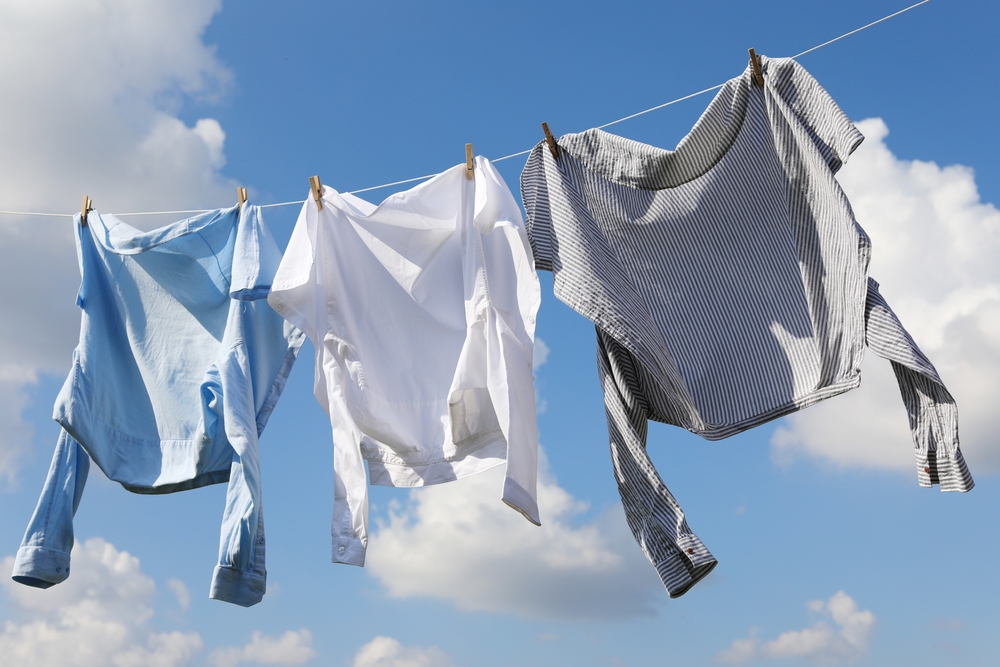
The Pros and Cons of Air-Drying vs. Machine-Drying Clothes
Air-drying and machine-drying clothes are both effective methods of drying our clothing after cleaning them. But what is the best way?
In this blog, we’ll cover key points and additional information on the pros and cons of air-drying vs. machine-drying clothes.
As a renowned and established provider of personal and laundry services, we are extremely proud to offer a range of services to make your life easier. Whether you’re short on time or dealing with physical issues, our services are here to help.
We provide laundry services, ironing services, dry cleaning, and more. Whether it’s a delicate piece of clothing or your sweaty gym gear, or even if you have commercial laundry needs, we have all the right solutions to clean your items in the best way for them.
Air-Drying Vs. Machine-Drying: Air drying is gentler on clothing and requires no operating costs, which makes it an excellent option for delicate fabrics. Machine drying is much more time-efficient and is also much more convenient. Which method is preferable depends on the kind of fabric used and the amount of time available.
What happens if I don’t dry my clothes?
Leaving wet clothes damp for an extended period can lead to several issues:
- Mould and mildew: Damp conditions are ideal breeding grounds for mould and mildew. These can cause unpleasant odours and potential health problems.
- Bacterial growth: Moisture encourages the growth of bacteria, which can cause unpleasant smells and skin irritation.
- Deterioration of fabrics: Constant dampness can weaken fabric fibres, leading to premature wear and tear.
- Discolouration: Mould and mildew can stain clothes, leaving unsightly marks.
- Unpleasant odours: Damp clothes develop a musty smell that can be difficult to remove.
Properly drying your clothes is essential for maintaining their hygiene, longevity, and overall freshness.
Is air drying better for clothes than a tumble dryer, or is the convenience of a machine worth it? The method you choose matters for both your garments and your energy bills. Properly drying your clothes is essential for maintaining their hygiene, longevity, and overall freshness. But with so many options available, it’s not always clear which method is best.
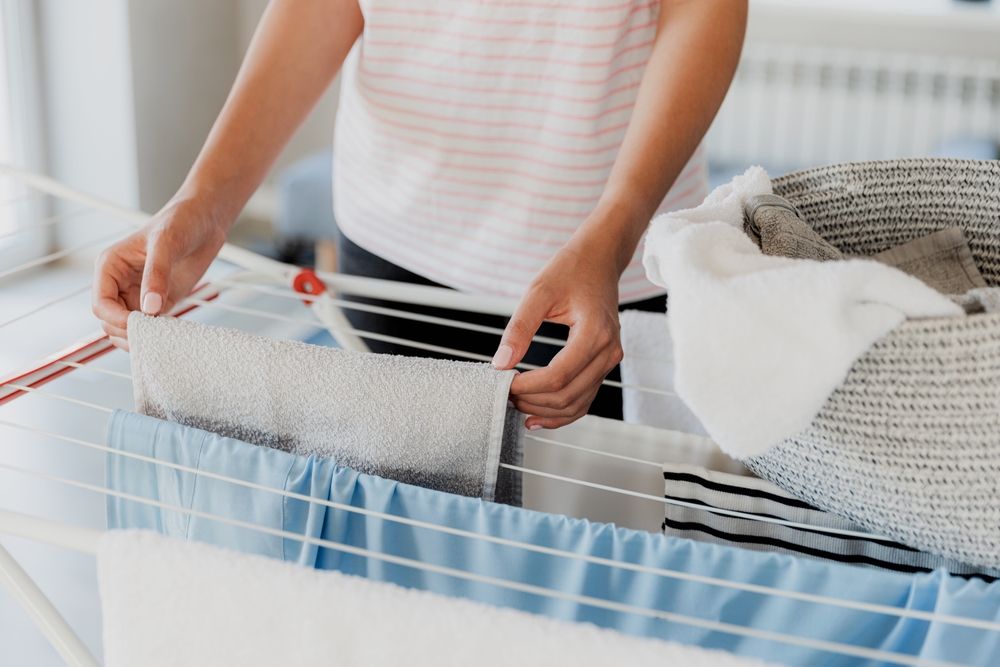
The pros and cons of air-drying vs. machine-drying clothes
However, the question of whether to dry clothes using machines or air-drying is still ongoing. Various advantages and disadvantages come with both processes; you can read our guide on these laundry hacks to save you time.
The Case for Air-Drying
Air-drying is often touted as the gentler method for clothing care. By avoiding the high heat and tumbling action of a dryer, air-drying can help to:
- Preserve fabric integrity: Delicate fabrics, such as wool, cashmere, and silk, are particularly susceptible to damage from machine drying. Air-drying helps to maintain their shape, softness, and elasticity.
- Reduce shrinkage: High temperatures can cause fabrics to shrink. Air-drying minimises this risk.
- Energy-saving: Tumble drying uses more electricity than air drying, so skipping it will help save a lot of energy and cut down on your electricity bill.
- Environmentally friendly: Outdoor drying of clothes is better because it does not create any greenhouse gases.
- No static: Outdoor-dried clothes come without any static.
There are a few drawbacks to air-drying because it is a time-consuming process, especially in humid and cold weather conditions. Also, this method requires space, and some items like towels need more time to dry, which can lead to mildew.
The Case for Machine-Drying
Machine-drying offers convenience and speed, making it a popular choice for many households. Its benefits include:
- Speed: Clothes dry much faster in a tumble dryer compared to air-drying, especially in damp or cold conditions.
- Convenience: The process is hands-off, requiring minimal effort once the clothes are loaded.
- Fluffiness: Tumble dryers can make towels and bedding particularly fluffy.
- Killing bacteria: High temperatures can help to kill bacteria and allergens.
On the downside, machine-drying can be harsh on fabrics, leading to shrinkage, fading, and increased wear and tear. If you’ve ever wondered whether tumble drying uses more electricity than air drying, the answer is yes, significantly so. It’s an energy-intensive process contributing to higher utility bills and a larger carbon footprint. Moreover, the constant tumbling can cause wrinkles and creases, especially in items like shirts and trousers.
Making the Right Choice
The best method for drying your clothes depends on various factors. For delicate items or those prone to shrinkage, air-drying is generally recommended. For quick drying and convenience, a tumble dryer is often the preferred option. A combination of both methods can also be effective. By understanding the pros and cons of each, you can make informed decisions to protect your clothes and reduce your environmental impact.
Is it better if I dry clothes outside or inside?
Ideally, drying your clothes outside is the best option.
Here’s why:
- Environmentally friendly: It saves energy compared to using a tumble dryer.
- Fresher clothes: Outdoor air gives clothes a fresher scent.
- Sun’s power: Sunlight helps kill bacteria and can brighten whites.
- Cost-effective: No electricity bills for drying.
Nevertheless, sometimes the UK climate can play tricks on you. If it is raining or very cold outside, you might have to dry your clothes at home. However, be careful since it could raise humidity and lead to mould growth.
Ultimately, the best choice depends on the weather conditions and your personal preferences.
Washer-Dryer vs. Separate Washing Machine and Dryer
The choice between a washer-dryer and separate appliances depends on your specific needs, space constraints, and budget.
Washer-Dryer
Pros:
- Space-saving: A single unit takes up less room.
- Convenience: Washing and drying in one cycle.
- Initial cost: Often cheaper to buy than separate appliances.
Cons:
- Smaller capacity: Typically handles smaller loads than separate machines.
- Drying efficiency: Often less efficient at drying than standalone dryers.
- Longer drying times: Can take significantly longer to dry clothes.
- Less flexibility: You can’t wash one load while drying another.
Separate Washing Machine and Dryer
Pros:
- Larger capacity: Can handle bigger loads.
- Drying efficiency: Standalone dryers are generally more efficient at drying.
- Flexibility: You can wash one load while drying another.
- Better for delicate items: Separate machines offer more control over washing and drying settings.
Cons:
- Requires more space: Two separate appliances take up more room.
- Higher initial cost: Buying two appliances can be more expensive upfront.
In the end, the best answer depends on your situation. If space is tight and convenience matters most, a washer dryer could be a good choice. In other cases, however, where there is sufficient space, separate machines are better.
Laundry services & drying
Love2Laundry’s signature laundry service is a lifesaver for our users, whether it is for personal or commercial use. Our process is simple:
- Head to our website or app and place your order with your preferred collection date and time.
- We collect your items at the designated time.
- We clean, dry, and iron them, depending on the service you opt for.
- We return your items, always aiming for delivery within 24 hours.
Find A Laundry Service Today
At Love2Laundry, we believe in the valuable services laundrettes and ironing and cleaning services can offer; that’s why we dedicate our service to making your clothes clean, long-lasting, fresh and uncreased.
There are plenty of great hacks online that will make it possible to treat certain items that need dry cleaning, washing, or ironing. But without the professional products, services, and tools offered by a laundrette or ironing service, it may be difficult to consistently get the results you are supposed to have.
We are proud that we offer competitively priced services for you to achieve a perfect finish for your items at an affordable cost and in a fraction of the time.
For further cleaning facts, our blog has a diverse selection of topics related to laundry and ironing.
You can contact us via our website or by phone or email.
Frequently Asked Questions
Is air-drying gentler on clothes than using a tumble dryer?
Yes. Air drying is much more effective in maintaining the quality of the fabric compared to machine drying, especially for fragile fabrics such as wool, cashmere, and silk. Air-drying ensures that your clothes will not shrink and will last longer.
Does tumble drying use a lot of electricity?
Yes, tumble dryers are among the most energy-intensive household appliances. Running costs vary depending on the model and cycle length, but they are significantly higher than air-drying, which costs nothing to run. See our how much does one wash cost in electricity guide for exact figures.
Is a washer-dryer combo a good investment?
It all depends on your situation. The use of a combination washer-dryer is quite economical for people living in small houses where space is not enough. Nonetheless, if you consider efficiency, separate units prove better than washer-dryers.