
Why Do Thrifted Clothes Have That Smell?
Why do thrifted clothes have that smell? What causes it, and what should you do about it? We’ll cover what you need to know in this article.
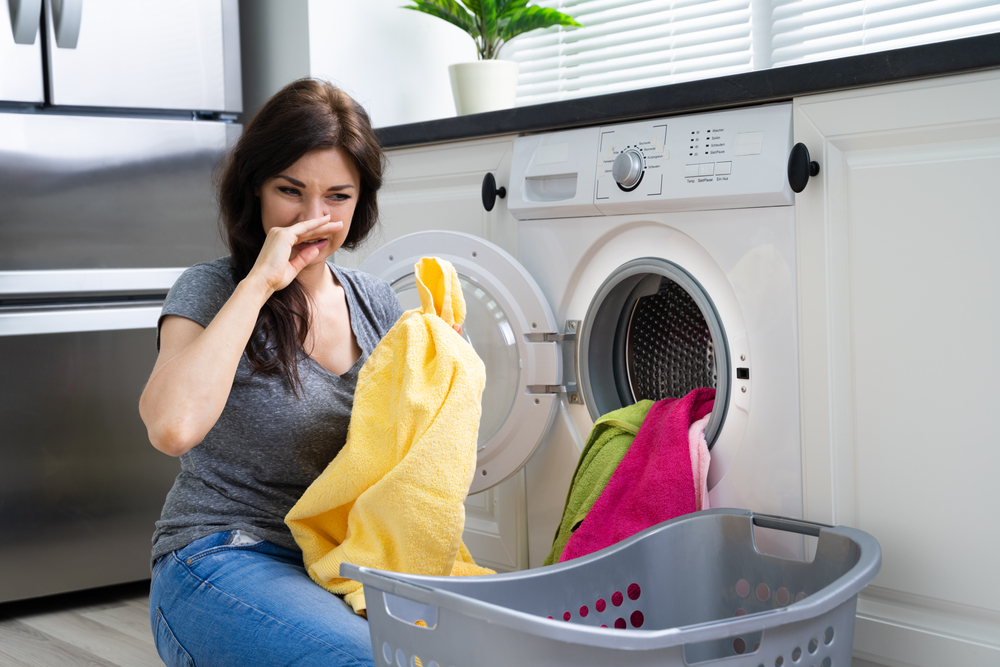
Recently bought some thrifted clothes, and you took one sniff before wondering… why do thrifted clothes have that smell? You know that smell – we all do! It’s a combination of aromas, and not all of them are pleasant, and it definitely doesn’t smell like yours.
Well, there’s a reason for that. In fact, there are a couple of reasons why your thrifted clothes have that funny smell that is universally recognisable, and we’re going to explore that today (and also run over what you can do to get rid of it). So, if that sounds interesting to you, bookmark this page so you can turn back to it in your time of need.
Here at Love2Laundry, we offer laundry, ironing, dry cleaning services and more. We not only help you with all your laundry needs, but we help you learn tips and tricks to make your laundry life easier than ever.
Quick Answer: Thrifted clothes carry the perfume, detergent, body odour, damp, and mothball scents left behind by their previous owners. Most of these smells go away with a standard wash, a good steam, or simply airing the garment out. For stubborn odours that survive a regular wash, soaking the item in white vinegar or a baking soda solution usually does the trick.
Do All Thrifted Clothes Smell?
You can expect any and all thrifted clothes to have that unusual smell, and it’s normal for that to be the case. Unless your local charity or second-hand shop has gone above and beyond to deep clean all of their clothing, the clothes will smell like their old home.
Why Do Thrifted Clothes Have That Smell?
The most common odours to get trapped in second-hand clothes include perfume, fabric softener, scent beads, laundry detergents, and, of course, body odour. We all smell different, so our scents will be all over the clothes we’ve worn – yours included if you were to donate them.
Depending on where the clothes have been, they could also have a mould or mildew smell, too, or even mothballs. You never know how long something has been sitting in someone’s attic or shed before they finally had the chance to donate the clothes. Wherever they’ve been, they are going to smell like that place.

It’s Completely Normal
It’s important to remember that the clothes you buy, whether they’re from a second-hand shop or straight off the shelf at Next, will smell unfamiliar. After all, if fabric has never come into contact with you or your house, how could it smell like you and your life? It’s normal, and it can take some time for these garments to really feel like yours and get rid of that smell.
Ways to Get Rid of That Smell
If you want to get rid of the thrift store smell or remove a musty smell from second-hand clothes, there are a few things you can try. It is worth pointing out that some smells are a lot more difficult to remove from fabrics than others, and you might need to try a variety of methods before the odour is fully gone.
We will cover the most effective options in detail below, including thrift store smell remedies like vinegar and baking soda, and also touch on bleach baths for more stubborn cases.

Vinegar Baths
Add half a cup of white vinegar to the rinse cycle of your wash, or for stronger odours, pre-soak the garment in a solution of one part white vinegar to four parts cold water for around 30 minutes before washing as normal. White vinegar can help reduce odours and freshen fabric, though results will vary depending on how deeply the smell has set in. Always check the care label before soaking, as some delicate fabrics such as silk, acetate, or anything labelled dry-clean only should not be soaked at home. Importantly, never mix vinegar with bleach at any point in the process, as combining the two produces harmful fumes.
Baking Soda
Half a cup of baking soda can be added to your laundry straight into the wash drum together with your regular detergent, or it can be dissolved in water and used for pre-soaking the garments for up to one hour before washing. Baking soda acts through neutralisation of the smell, and not its covering. This means that it is useful if there was enough time for the smells to penetrate the garments.
Let Them Air Out in the Sun
Hanging garments outside in fresh air and natural sunlight is a simple but effective way to reduce musty or stale odours. You should expose them to the sun for a few hours, rotating them to expose them from all sides. Sunlight can also prove helpful for a mustiness problem caused by mildew. Remember that it will be better to use this trick along with cleaning.
A Note on Fabric-Safe Bleach Baths
For particularly stubborn smells that have not responded to any of the above, a fabric-safe bleach bath can be considered as a last resort. Always check the care label first, as bleach is not suitable for wool, silk, or many synthetic fabrics, and can damage or discolour items if used incorrectly. Follow the product instructions carefully, use the correct dilution, and never mix bleach with vinegar or any other cleaning product.
We Always Recommend Doing This First…
We’ve mentioned in other articles that freezing your second-hand clothing is a good practice to follow before anything else. Placing garments in a sealed bag in the freezer for three to four days may help reduce some bacteria and pests hiding in the fabric, such as insect eggs, though it is not a guaranteed solution on its own. As we cover on our second-hand clothes page, freezing should always be followed by a proper wash to get the best results.
It is also worth noting that freezing does little for smell-based odours such as food, oil, or mildew. For those, you will need to move on to the other methods listed here, such as vinegar, baking soda, or in more stubborn cases, a fabric-safe bleach bath.
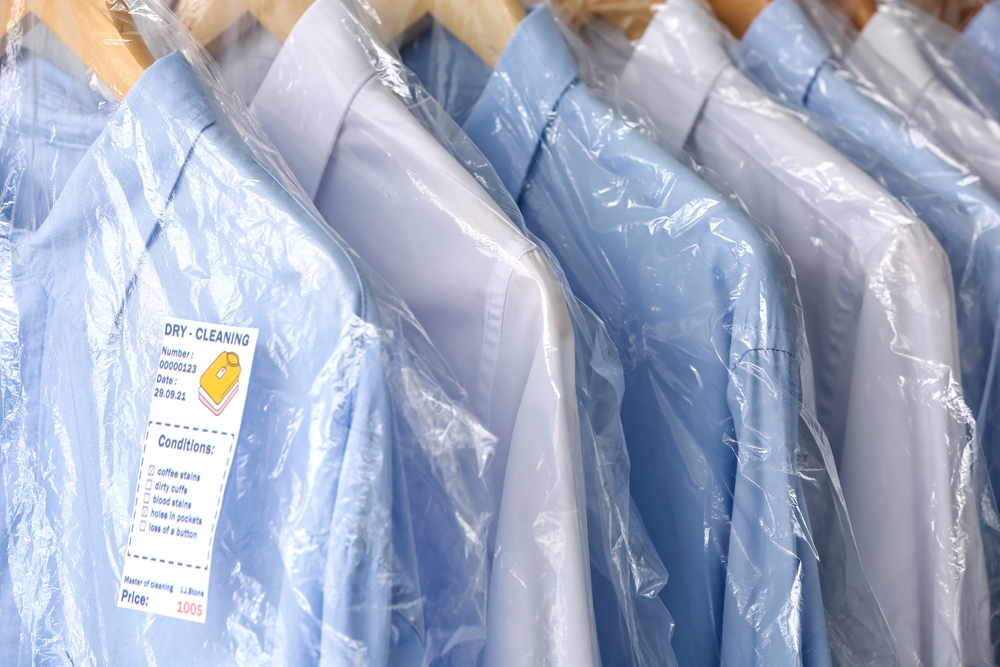
Wash Your Clothes As Usual (Following the Care Instructions)
Once the garment has been out of the freezer, you can give it a full wash. Before loading it into the machine, check for any stains and pre-treat them first, then wash as normal using your regular detergent and fabric softener. Also look over the garment for any fraying or damage that might call for a gentle cycle or a repair before washing.
Steaming is the Best Option
One of the most effective ways to eliminate unwanted odours from almost any kind of clothing is through steaming. This is an alternative method of ironing that works wonders for freshening fabric and reducing unwanted odour, making it one of the most practical options for thrifted clothing.
You will never run out of ways to use a steamer, from uses inside the house to your car; this is one piece of equipment that can be used almost anywhere. Just remember that some steamers need to be used vertically to prevent the water from leaking out of the tank.
Let Love2Laundry Help You
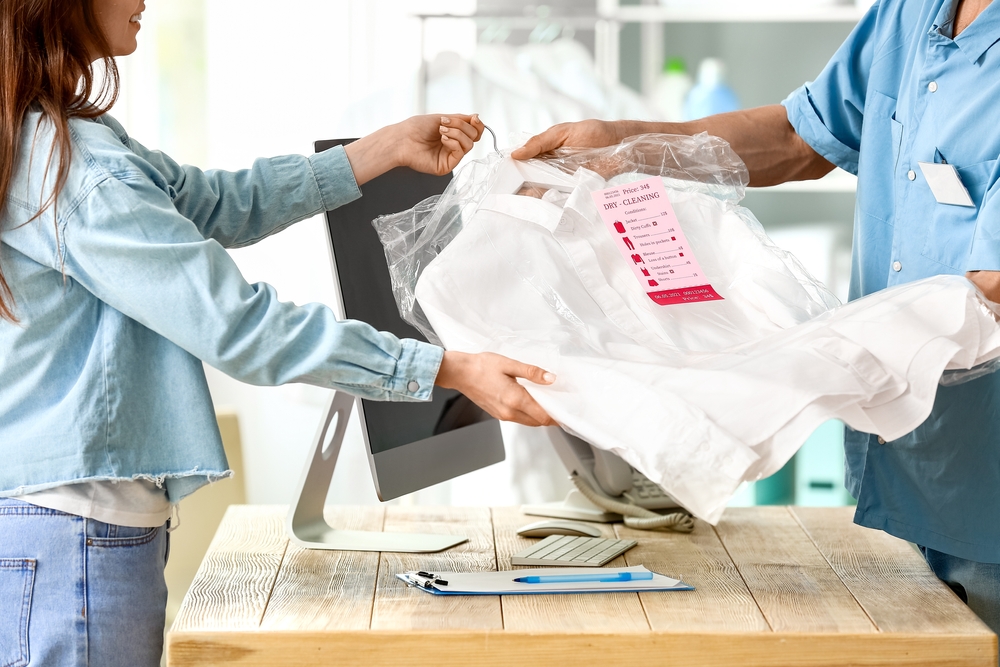
If working out how to get the smell out of thrifted clothes feels like more effort than it is worth, we are here to help. At Love2Laundry, we offer pick-up and delivery laundry, ironing, and dry cleaning services that can have your pre-loved pieces smelling fresh and clean without you lifting a finger. Simply book a service through our website or app, and we will collect, clean, and return your items within 24 hours. If you use us regularly, our membership plan makes it even better value.
CTA: Got a question? Reach us on 0203 600 0296 or at info@love2laundry.com
FAQs
Is the thrift store smell on second-hand clothes completely normal?
Yes. Every garment carries the scent of its previous home, whether that is perfume, detergent, or damp storage. Thrifted clothes will always smell unfamiliar at first, and that is entirely normal. A good wash is usually all it takes to freshen them up.
Does soaking thrifted clothes in vinegar help remove the smell?
Yes. Adding half a cup of white vinegar to the rinse cycle, or pre-soaking in a diluted vinegar solution for 30 minutes, can help reduce odours and freshen the fabric. Always check the care label first, and never mix vinegar with bleach.
Does freezing thrifted clothes remove the smell?
No, not fully. Freezing a garment for three to four days may help reduce some bacteria and pests, but it is not effective against smell-based odours like food, oil, or mildew. It should always be followed by a proper wash for best results.
Should you wash thrifted clothes before wearing them?
Yes. Second-hand clothes can carry bacteria, allergens, and lingering odours from previous owners, so washing before wearing is always the safer choice. For more on this, see our guide on whether you can wear second-hand clothes without washing them.

