


How Often Should You Wash Clothes: The Ultimate Guide to Garment Care
Maintaining a fresh wardrobe involves more than just tossing items into a machine. Understanding how often should you wash clothes is a balance of science and habit. If you wash too frequently, you damage the fibres. If you wash too little, bacteria and odours take over.
Hygiene is the most apparent reason to keep a strict laundry washing schedule. Sweat and skin cells accumulate daily. However, fabric longevity is just as vital. Every cycle causes friction that thins out your favourite shirts.
Smart washing also leads to cost savings and better sustainability. Reducing your loads saves water and electricity. It keeps your garments out of landfills for longer periods. Navigating this can be tricky for busy individuals. That is why Love2Laundry exists: to provide a professional laundry service. We help you manage your wardrobe with expert care. This guide will help you master your clothing washing frequency to keep your style sharp and your fabrics healthy.
Why Washing Frequency Matters More Than You Think
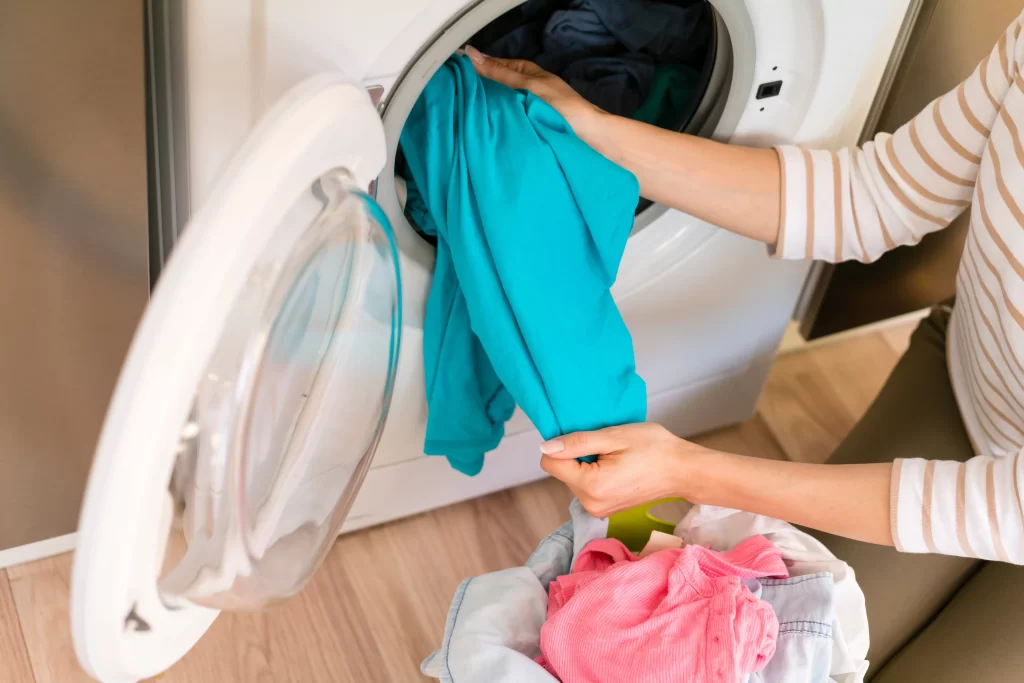
Many people believe that “clean” only occurs after a full cycle. This myth can damage your wardrobe. Overwashing is a leading cause of fabric fading and shrinkage. When you submerge fibres in hot water and spin them rapidly, they lose their structural integrity. Conversely, washing too infrequently can lead to skin irritation or fungal infections.
A proper fabric care guide suggests that modern detergents are highly effective. You do not always need the most aggressive settings. Excessive washing also impacts the planet. It wastes gallons of water and releases microplastics into the ocean. Sometimes, a home machine is not enough. When dealing with expensive suits or heavy coats, a laundry service is a better option. They use specialised techniques to remove dirt without the trauma of a standard home agitator. Deciding how often should you wash clothes depends heavily on the activity level of the wearer.
How Often Should You Wash Everyday Clothing?
Daily wear items are the workhorses of your closet. They are most exposed to sweat and environmental pollutants. Knowing how often should you wash clothes in this category prevents them from looking tired after just a few months.
Shirts, T-Shirts, and Tops
T-shirts sit directly against your skin. You should wash them after one wear if you wore them all day or in warm weather. If you only wear a top for a few hours in a cool office, you might get two wears out of it. A great tip is to air out your tops on a hanger near a window. This allows moisture to evaporate and prevents odours from setting in.
Pants and Trousers
Trousers do not sit as close to the sweat glands as shirts do. You can usually go 2–3 wears before they need a cleaning. There is a difference between office wear and casual wear. Wool-blend work trousers stay cleaner longer because wool is naturally antimicrobial. Casual cotton chinos absorb oils faster. Washing pants regularly helps prevent the knees from bagging out and the seat from thinning.
How Often Should You Wash Underwear, Socks, and Bras?
Hygiene is non-negotiable here. These items are in constant contact with bacteria-prone areas.
Underwear and Socks
You must wash these after each wear. There are no exceptions. Bacteria, skin cells, and sweat accumulate rapidly. Use gentle detergents to protect the elastic waistbands. To keep them in top condition, avoid high heat in the dryer. Air-drying socks prevents them from losing their stretch and developing holes.
Bras
Bras are different. Unless you are sweating heavily, you can wear a bra 3–4 times before washing. Washing them every day destroys the elasticity that provides support. Hand washing is the gold standard for bras. If you use a machine, put it in a mesh bag. Store them flat in a drawer rather than folding one cup into the other to maintain their shape.
How Often Should You Wash Jeans and Denim?
The denim debate has lasted for years. Some people recommend never washing them, while others recommend washing them weekly. The truth lies in the middle. Most experts suggest washing jeans every five to ten wears. Denim is a heavy, durable fabric that does not need frequent immersion. Determining how often should you wash clothes like denim requires looking for visible dirt first.
If you see a minor mark, try spot cleaning with a damp cloth instead of a full wash. Always turn your jeans inside out to preserve the indigo dye. This prevents those white streaks from forming along the seams. For premium or raw denim, a professional laundry service is the safest bet to avoid unwanted shrinking or colour loss.
How Often Should You Wash Activewear and Gym Clothes?
Gym clothes are a breeding ground for bacteria. Synthetic fabrics, such as polyester and spandex, are designed to wick sweat, but they can also trap odours. You must wash activewear after every workout. Never leave damp gym clothes in a pile, as this creates a breeding ground for mould.
Use cold water to protect the technical fibres. Avoid fabric softeners at all costs. Softeners leave a coating on the fabric that clogs the material’s breathable pores. This makes your clothes smell worse over time. Always air-dry your leggings and gym shirts to maintain their elasticity. Understanding how often should you wash clothes for the gym is the best way to prevent permanent odours.
How Often Should You Wash Sleepwear and Loungewear?
We spend eight hours a night in pyjamas. During this time, our bodies shed thousands of skin cells. You should wash sleepwear every 3–4 wears. If you shower right before bed, you might stretch this to 5 wears. Loungewear follows the same rule. If you lounge all day, the fabric absorbs body oils. Maintaining a clean laundry schedule for sleepwear helps keep your skin free of irritation.
How Often Should You Wash Sweaters, Knitwear, and Winter Clothes?
Knitwear is fragile. The more you wash it, the more pilling occurs.
Sweaters & Knitwear
Cotton, silk, and cashmere sweaters should be washed after 2–3 wears. Wool can withstand four to six washes because it naturally resists odours. Never hang your sweaters. The weight of the water or even gravity stretches the shoulders. Fold them neatly. If you are unsure which wash cycle is best for different garments, it is often safer to choose dry cleaning for your expensive knits.
Jackets, Coats, and Outerwear
Outerwear does not touch your skin directly. Most coats only need a cleaning once per season. Usually, this is done right before you store them for the summer. Spot clean any dirt on the cuffs or collar. Because these items are bulky and have complex linings, searching for the best laundry service near me is the best way to handle seasonal maintenance.
How Often Should You Wash Delicate and Luxury Fabrics?
Delicate fabrics such as silk, linen, and lace require an agent’s touch. Overwashing ruins the natural sheen of silk and makes linen brittle. You should only wash these when necessary. Love2Laundry specialises in these high-end materials.
Knowing when to dry-clean clothes is vital for luxury items. If the label says dry clean only, follow it. Home machines often have rough drums that snag silk threads. Between wears, hang these items in a cool, dry place. Proper storage prevents wrinkles and keeps fibres fresh without water. When you evaluate how often should you wash clothes made of silk, lean toward less frequent cleaning.
Bedding, Towels, and Household Textiles
Your environment affects your clothing. If your towels are dirty, your clean body is immediately covered in bacteria.
- Bedsheets: Wash these every 7–10 days. If you have night sweats, every five days is better.
- Towels: Wash bath towels after 3–4 uses. Make sure they dry completely between uses to prevent a musty smell.
- Bathrobes: These typically last 4–5 times because they are usually worn over clean skin.
- Blankets: Heavy blankets should be cleaned every 2–3 months.
Signs Your Clothes Need Washing (Even If You Wore Them Once)
Sometimes the calendar does not matter. Use this checklist to see if you need to break your usual laundry washing schedule:
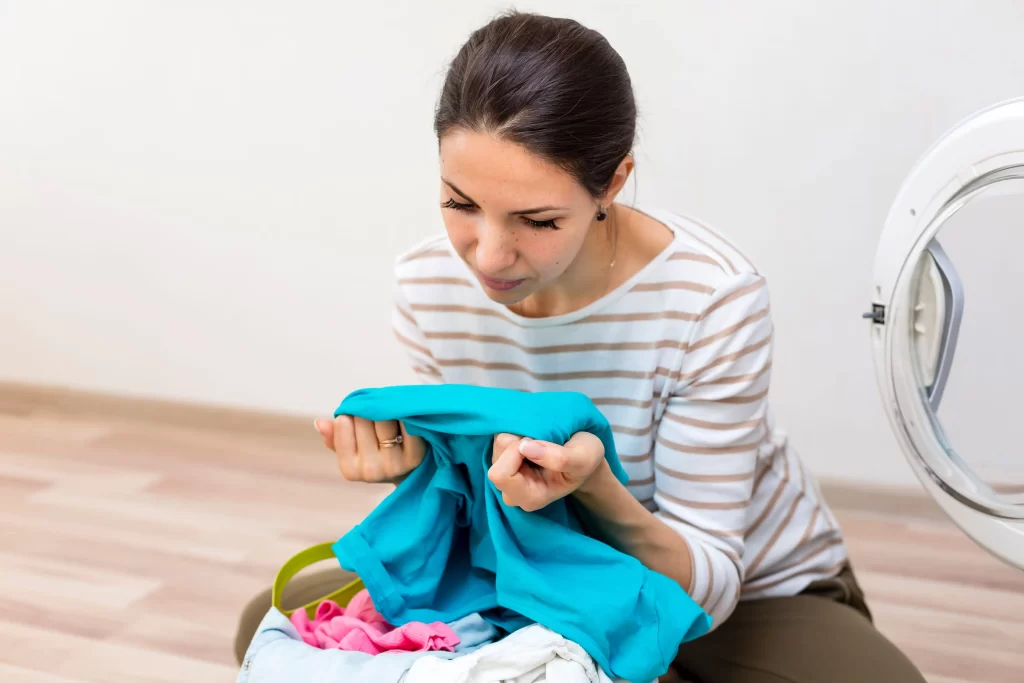
- Odour: If it fails the sniff test, it goes in the bin.
- Visible Stains: Food spills or dirt need immediate attention.
- Sweat Marks: Yellowing under the arms indicates salt buildup.
- Loss of Shape: If your jeans have baggy knees or a shirt looks limp, a wash can snap the fibres back into place.
Knowing how often should you wash clothes is often about trusting your senses.
Tips to Reduce Overwashing and Make Clothes Last Longer
You can maintain freshness without a full machine cycle. Start by airing out your clothes. Hanging a garment outside for an hour can remove faint odours. Spot cleaning is another great tool. Use a damp cloth to clean up small spills.
Garment bags are essential for protecting items during washing. They prevent zippers from snagging other clothes. Finally, choosing professional care can extend the life of your wardrobe. Check the laundry prices online to see how affordable it is to let experts handle your heavy lifting. Using a pro service helps you find the right wash cycle for different clothing types without the guesswork.
When to Choose Professional Laundry or Dry Cleaning
Life gets busy. Sometimes you do not have time to manage a complex clothing-washing frequency chart. A professional laundry service is the answer for those with demanding schedules. High-value items or pieces with intricate beadwork should never go in a home washer.
If you are looking for the best laundry service near me, look for one that offers pickup and delivery. This saves you hours every week. Seasonal cleaning for heavy duvets and winter coats is also much easier with professional equipment. Love2Laundry provides a seamless experience for all your fabric needs. We also support the movement toward sustainability. By caring for your best pre-loved clothing correctly, we help you keep those vintage finds in circulation for years. Learning how often should you wash clothes is easier when you have professional support.
FAQs – How Often Should You Wash Clothes
Can you wear clothes without washing them every time?
Yes, many outer layers and denim pieces stay clean for multiple uses. Airing them out between wears helps maintain freshness without using water.
Is overwashing bad for clothes?
Excessive washing breaks down fabric fibres and causes colours to fade prematurely. It also puts unnecessary stress on seams and elastic components.
How can I tell if something needs dry cleaning?
Check the care label for a circle symbol or specific instructions. If the item is made of silk or velvet or features structured tailoring, dry cleaning is usually necessary.
Conclusion: Mastering How Often Should You Wash Clothes
Finding the perfect balance for your wardrobe is a skill. It requires attention to detail and an understanding of different materials. This fabric care guide shows that less is often more. By reducing your clothing washing frequency, you protect your investments and the environment. Focus on hygiene for items that come into contact with the skin, and use a lighter touch for outerwear and denim.
When life becomes too hectic to track your laundry washing schedule, remember that help is available. Love2Laundry offers the expertise needed to keep your clothes looking brand new. Whether it is a delicate silk dress or your daily work shirts, we provide the care they deserve. Taking the time to learn how often should you wash clothes is the first step toward a more sustainable and stylish life. Trust the experts to handle the tough stains and delicate fibres.